

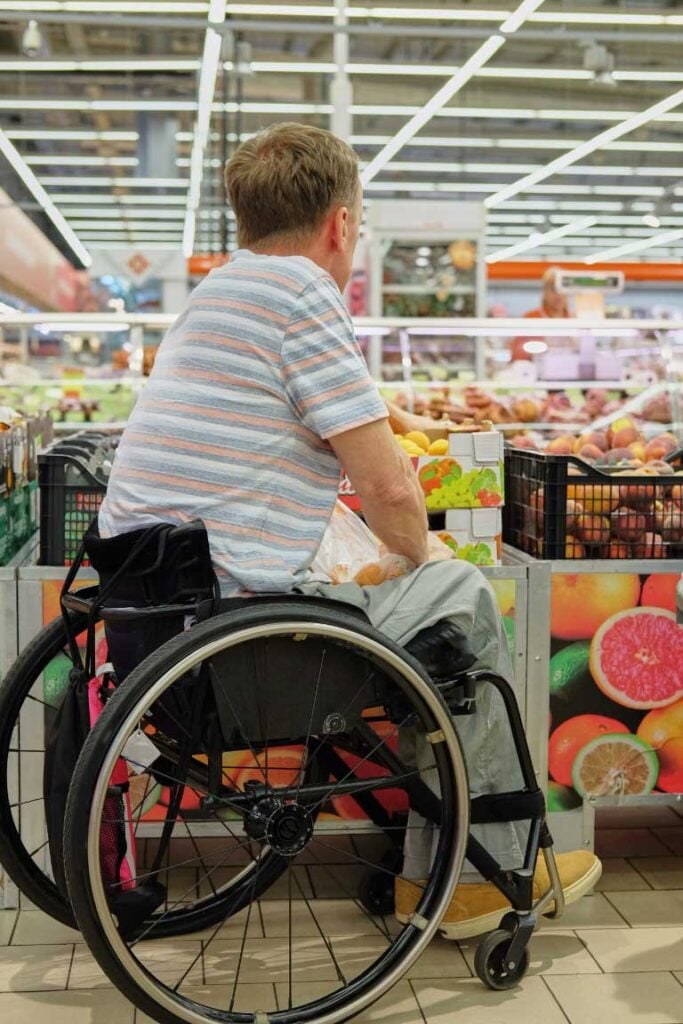
Errands change shape when a wheelchair is involved. The food shop, the farmers’ market, a nature reserve on a free Saturday – none of these happen on impulse anymore. Planning replaces spontaneity. The right vehicle gives some of it back.
WAV technology has moved fast. Ten years ago, choices were limited and conversions were expensive. Now ramp systems deploy in under four seconds. Floor entries are lowered by design. Q’Straint restraints meet full crash-test certification. New, used, hire, Motability Scheme. The options exist across budgets that actually work for real families.
Accessibility goes beyond a ramp bolted to the back. Floor height matters. Interior turning radius matters. Four-point wheelchair restraint load ratings matter. The UK market offers certified conversion types built to PAS 2012 standard, each engineered to meet specific mobility requirements without voiding vehicle warranties or compromising safety ratings. Getting this decision right shapes everything downstream.
Planning Weekly Plant-Based Meals Around Accessible Shopping Trips
An adapted vehicle doesn’t just handle medical appointments. It changes how a family manages the weekly food shop entirely. Allied Mobility and similar specialist manufacturers offer a range of wheelchair accessible vehicles for sale built to PAS 2012 standard, covering small, medium, and large boot configurations. Sacks of dried lentils. Multipacks of tinned chickpeas. Root vegetables by the bag. Non-dairy milk by the crate. One trip covers it.
Supermarket aisles in the UK have been getting wider. Accessible parking bays have multiplied. Neither change happened uniformly, but both are real. A lowered-floor WAV with a powered ramp turns loading heavier shopping from a weekly obstacle into a non-event. Fewer trips per week follow. So does lower fuel spend and less food waste from buying under time pressure.
Build the weekly plant-based shop around a single accessible trip. Dried pulses – lentils, chickpeas, black beans – sit undisturbed in a sealed jar for up to two years. Brown rice, frozen edamame, oats, seasonal root vegetables, fortified oat milk: stack them once and the week is covered. No second errand. No mid-week scramble. One trip in, one routine out.
Reducing Carbon Footprint Through Accessible Local Food Networks
UK food networks are catching up with accessibility requirements. Unevenly. Community-supported agriculture schemes now set up level-access collection points at farm shops and community halls with increasing regularity. A phone call before the first visit confirms what’s actually operational on the ground.
Farmers’ markets in Stroud, Edinburgh, and Bristol have put real effort into level access and wider pathways between stalls. A reliable WAV turns these markets into a practical weekly option rather than an occasional project. Cutting supermarket supply chains out of the picture reduces a household’s food-related carbon footprint more than most families sit down to calculate, and data tied to food supply chain emissions comparison shows how shorter routes and fewer intermediaries shift emissions at a measurable level.
Electric WAV models are entering the market in growing numbers. Allied Mobility’s Peugeot eHorizon was the manufacturer’s first fully electric wheelchair accessible conversion. It signals clearly where the sector is heading. Before committing to any electric model, confirm home charging compatibility and map the nearest rapid chargers on regular routes. That check takes thirty minutes. Skipping it costs more time later.
Combining an electric WAV with local food sourcing cuts household emissions from two directions at once. Riverford runs tight weekly delivery schedules. Abel and Cole offers flexible slots that adapt to changing routines. Either service reduces the number of journeys needed. Consolidating trips and buying locally produces a measurable emissions reduction compared to multiple separate supermarket runs across a month.
Adjusting Vegan Meal Prep for Families with Mobility Considerations
One-pot plant-based recipes carry most of the practical weight in a mobility-aware kitchen. Dhal is the obvious one. Minestrone. Or a chickpea and spinach curry, which reheats better on day three than it tastes on day one. Each of these requires minimal movement around the kitchen. Each produces four to six portions from a single cook session. Refrigerator life is four days. Freezer life runs to three months without texture loss.
Lower worktops and clear floor space turn batch cooking from an aspiration into a Tuesday. Beluga lentils in bulk on a Sunday afternoon cover five lunches. Done before the evening news. A roasted red pepper and white bean sauce batch-cooked the same afternoon handles dinners. On lower-energy days, the kitchen stays closed entirely. That option matters more than it sounds.
Several UK local authorities now run accessible nutrition and cooking sessions in properly equipped venues. Manchester City Council hosts workshops in wheelchair-accessible spaces. Camden Council runs similar sessions. Scope has delivered practical plant-based cooking workshops built specifically for disabled participants. Finding what exists locally usually takes one phone call to a disability support organisation in the area. Not a lengthy search.
The NHS Eatwell Guide gives wheelchair users on plant-based diets a workable baseline. Protein lands in the diet naturally when beans, lentils, tofu, and tempeh appear regularly. No complication. Iron is trickier. Spinach, fortified oat cereal, and pumpkin seeds do the heavy lifting, and guidance tied to iron intake plant based foods shows how pairing these with vitamin C sources shifts absorption in practice, not just on paper.
Energy-Efficient Cooking Methods for Plant-Based Households
Eighteen minutes. That is how long a pressure cooker needs to take dried chickpeas from raw to edible. The stovetop route requires 70. That time gap is also an energy gap. It feeds the weekly temptation to buy tinned alternatives at three times the cost per portion. A slow cooker filled with red lentils and sweet potato stew runs unattended for six hours. Set it before noon. Eat at six. On days when standing at the hob is genuinely difficult, this is not a workaround. It is the plan.
Batch cooking with these two appliances limits how often the oven or hob runs across the week. One session per appliance, two or three times a week, covers most meals. Energy bills reflect that reduction over a quarter. Not dramatic. Still there. Data tied to household cooking energy use UK statistics shows how small shifts in cooking patterns compound into measurable savings over time.
Accessible Eco-Travel and Plant-Based Eating on Day Trips
The UK has a real and growing number of nature reserves with properly surfaced, wheelchair-accessible trail networks. Growth is uneven. Some routes work. Others don’t. Coverage tied to accessible walking trails UK shows where graded paths, rest points, and entry access align well enough to turn a planned day trip into something that runs without friction.
A reusable container beats a service station entirely. Wraps with hummus and roasted red pepper hold their structure for six hours without going soggy. Fruit salad in a Weck jar with a rubber seal stays fresh for eight hours at ambient temperature. Homemade oat and date flapjacks need nothing beyond a square of beeswax wrap. Prepare the evening before using whatever is already batch-cooked in the fridge. Fifteen minutes. Maximum.
Jurassic Coast and Pembrokeshire coastal paths both sit within easy distance of farm shops and vegetarian cafés. Plan one stop into the route deliberately. The food is better than anything available at a petrol forecourt and the trip feels more considered for it. A route built with one accessible food stop reduces dependence on petrol station forecourt food. The trip improves. The food improves. Neither outcome requires significant extra planning.
Demand for vehicles that support active, independent family life keeps growing. The shift is visible. Not everywhere, not evenly. Get the setup right, and everyday routines change shape in ways that matter. Fewer trips. Better food. More freedom without planning every step twice.
Other Things You Might Enjoy Reading



Leave a Reply