

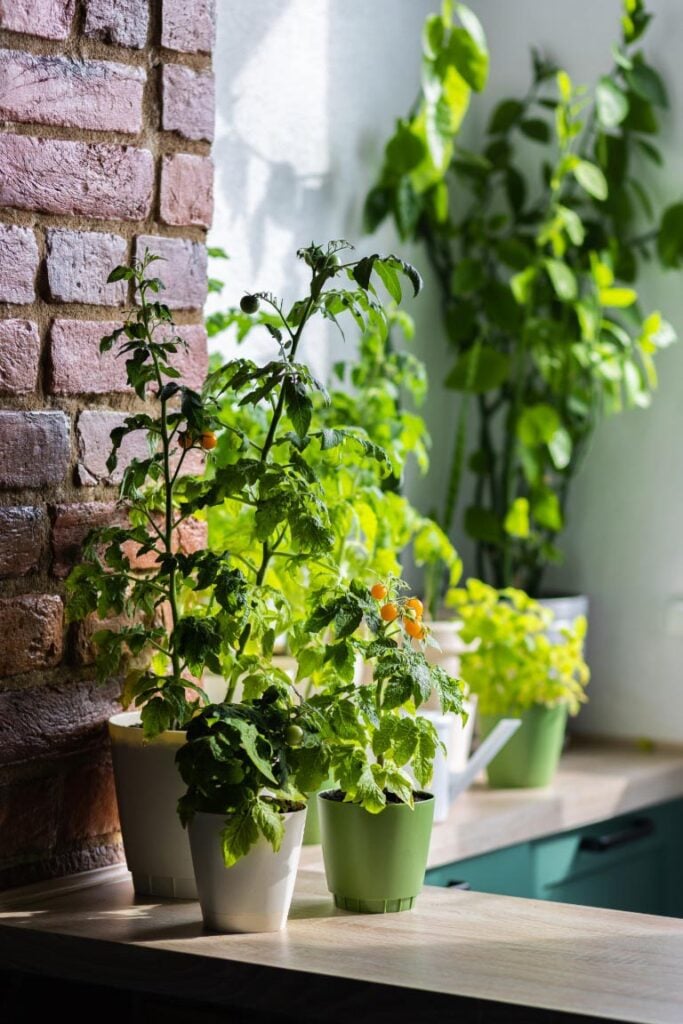
An eco-conscious mindset begins in the kitchen, starting with low-waste choices like sustainable storage, reusable shopping bags, induction cooking, DIY herb gardens, composting, and even a few eco-friendly financing tips.
“Going green” also cuts energy and food waste costs, allowing homeowners to enjoy the dual benefit of conservation and cost savings. Furthermore, as product inflation and energy prices rise, low-waste kitchens are becoming a practical necessity, rather than just a smart personal choice.
Begin your transition with these low-waste swaps and sustainable household tips.
1. Adopt a Holistic Mindset for Sustainability
Low-waste kitchens are part of a holistic approach to sustainability that includes:
- Zero-waste healthy eating
- Minimalism
- Community gardening
- Environmental stewardship
- Energy conservation
- Holistic financial planning
The last point is crucial, as holistic financial planning around the kitchen table builds a foundation for a sustainable future.
It integrates multiple financial products, from estate planning to child trust funds, to support smart goals. As for the types of credit available to UK residents, holistic financial planning prioritises sound risk and debt management, leveraging credit wisely for energy-efficient kitchen appliances with higher upfront costs.
Holistic financial planning also includes sustainable home improvements. Some financial institutions offer green home loans, where homeowners can receive low interest rates and cashback offers for sustainable upgrades, such as solar panels and triple-glazed windows.
2. Low-Waste Storage Swaps
Do you know how much food households throw away each year?
According to WRAP, the Waste and Resources Action Programme, families waste 4.4 million tonnes of food annually. This is your cue to make a change that not only benefits your pocketbook but the environment as a whole.
For starters, switch from single-use cling film to sustainable beeswax wraps. You can also buy long-lasting BPA-free silicone stretch lids for storing leftovers and produce.
Complete your sustainable storage set with airtight glass storage jars. Glass jars are ideal for storing dry goods, such as pasta, lentils, and oats. These items will stay fresher for longer, as opposed to storing them in the original cardboard or plastic packaging.
Depending on the brand, you could save up to £15 on wraps and lids and up to £30 when switching to glass jars. Batch-prepping freezer meals will also save you significantly on food waste and storage.
3. Conscious Shopping Tips
The next change starts at the supermarket.
For example, while those pre-packaged vegetables feel convenient, the packaging generates quite a bit of waste over time. You also risk more food waste when perishable peppers or tomatoes aren’t properly stored.
Instead, purchase reusable mesh produce bags and buy only what you need. However, buying dry goods (like oats) in bulk can save you money, especially when paired with airtight glass storage. Collectively, these simple swaps can save up to £100 per year.
4. Energy-Efficient Kitchen Swaps
Kitchen cooking burns through energy, resulting in high household utility bills. Investing in energy-efficient induction cooking can drastically speed up cooking time, sparing household energy.
Start with an induction hob that’s built right into your countertop.
The electromagnetic field underneath the glass heats the cookware directly, requiring far less energy. You can find styles that blend into your current kitchen aesthetic. There are also freestanding induction ranges with stoves.
Pair your setups with induction-compatible cookware, like pans made of:
- Cast-iron
- Enamel-coated cast iron
- magnetic stainless steel
- Carbon steel
Calculate the collective cost savings of induction cooking, low-waste food storage, and conscious shopping to see a dramatic difference.
5. DIY Herb and Vegetable Garden
If you have a sunny windowsill, then you have an opportunity to save money with a DIY garden.
Save your vegetable scraps and place the root ends in a container with a small amount of water. You could even get a second or third harvest for free. This method works best with the following veggies:
- Spring onions
- Lettuce
- Celery
- Garlic
- Bok choy
When growing fresh herbs like basil, thyme, and parsley, use sustainable storage methods to avoid waste.
For instance, basil stays fresher in room temperatures. Bundle your basil and place it in glass jars with 1 to 2 inches of water.
Some food waste is inevitable, so compost what you can. Remember, compost transforms into nutrient-rich soil for gardening!
Create Your Own Sustainable Kitchen
Start building your eco-friendly kitchen with a holistic vision that includes holistic financial planning, low-waste storage, conscious shopping choices, induction cooking, and DIY gardens.
This guide is only the beginning for your new sustainable home. Follow us to learn more about gardening, fighting food waste, and eco-friendly recipes.
Other Things You Might Enjoy Reading



Leave a Reply