

This guide shows how to follow a flexitarian diet on a busy schedule by keeping meals simple, quick, and flexible. It focuses on time-saving habits like batch cooking, using shortcuts, and making realistic food choices without aiming for perfection.
Adopting a flexitarian approach to eating can feel refreshingly achievable. There are no rigid rules, no strict eliminations, and no expectation of perfection. Still, for many people with full schedules, the real challenge is not what to eat, but how to make it work day to day.
If you are juggling work, family life, or simply a packed calendar, this guide on how to follow a flexitarian diet is designed to help you eat more plant-based meals without adding stress or complexity. If you think that cooking plant-based meals is time consuming, the good news is that there are plenty of quick and easy meat-free meal options.
For a deeper look at how a flexible plant-based approach works, this guide from Harvard Medical School that explains the principles behind plant-forward eating and how to apply them in everyday life.
Keep It Simple, Not Perfect
A common mistake is assuming that eating more plant-based means cooking elaborate meals from scratch every day. In reality, the most sustainable approach is to keep things straightforward.
Think in terms of flexible building blocks:
- A grain (rice, pasta, couscous)
- A protein (beans, lentils, eggs, tofu)
- A vegetable (fresh, frozen, or pre-prepared)
- A flavour boost (sauce, herbs, spices)
- A texture topping (nuts, seeds)
With just these elements, you can create dozens of meals without needing a strict recipe.
Embrace 30-Minute Meals
Quick meals are essential when time is limited. Fortunately, many flexitarian dishes come together faster than meat-based ones.
A few reliable options include:
- Chickpea Masala
- Tofu & Spinach Peanut Butter Stew
- One-Pot Aubergine Caponata with Pearl Couscous
- Mexican Quinoa Salad
- Miso Pasta With Spring Vegetables
- Easy Chickpea Curry
- Loaded BBQ Jackfruit Nachos
- Kimchi Fried Rice (with smoked tofu)
Keeping a small rotation of go-to meals removes the mental effort of deciding what to cook.
Cook Once, Eat Twice
Batch cooking does not have to mean spending your entire Sunday in the kitchen. Even doubling a recipe can make a meaningful difference.
For example:
- Make a large pot of chilli or curry and freeze half
- Roast a tray of vegetables and use them across multiple meals
- Cook extra grains to use in salads, bowls, or quick lunches
This approach reduces both cooking time and food waste.
Use Smart Shortcuts
There is no need to prepare everything from scratch. Thoughtful shortcuts can make flexitarian eating far more manageable.
Helpful staples include:
- Tinned beans and lentils
- Pre-pressed tofu
- Pre-chopped or frozen vegetables
- Microwaveable grains
- Ready-made sauces and pastes (such as tomato, curry, or stir-fry)
These ingredients allow you to assemble balanced meals in minutes rather than starting from zero.
Rethink the Weekly Shop
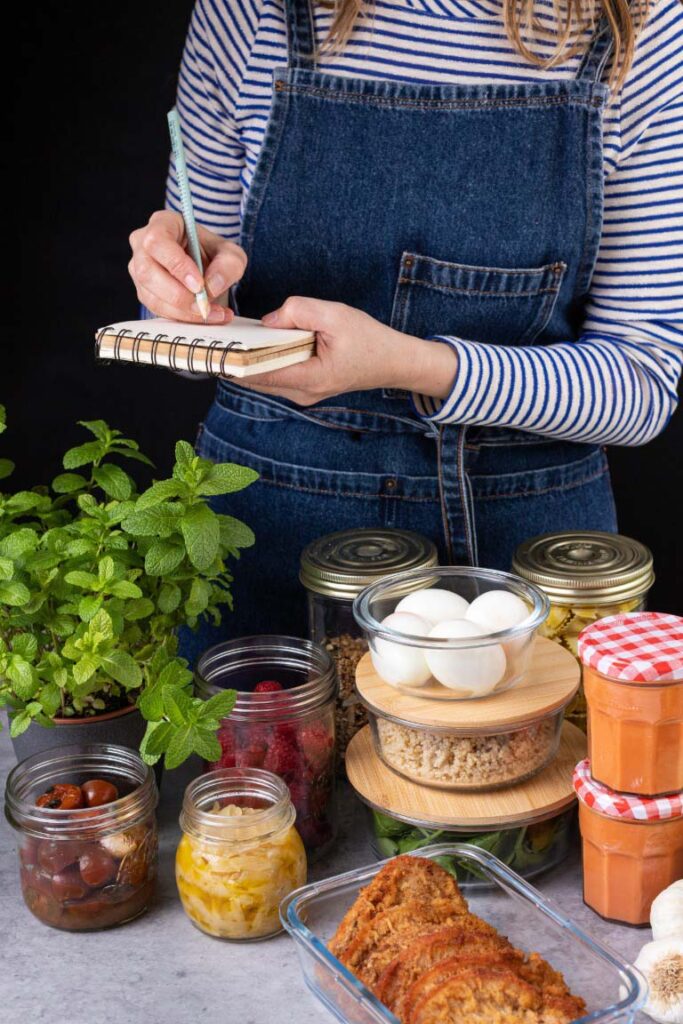
A busy lifestyle benefits from a slightly different approach to shopping. Instead of planning seven completely different meals, focus on ingredients that can overlap.
For instance, a single shop might include:
- A few versatile vegetables (such as peppers, broccoli, carrots, sweet potatoes, tomatoes)
- One or two protein sources (lentils, chickpeas, eggs, tofu, tempeh)
- A staple grain
- A couple of flavour bases (like curry paste or pasta sauce)
- Nuts & seeds to add to your breakfast, salads or simply eat as snack
From this, you can create a variety of meals without overcomplicating your week.
Building a well stocked flexitarian pantry will also help you save time.
Eating Flexitarian When Out and About
Busy schedules often mean eating away from home. The good news is that most cafés, supermarkets, and restaurants now offer plant-based or vegetarian options.
Rather than aiming for perfection, focus on making a slightly better choice where you can. That might mean:
- Choosing a vegetable-based lunch a few times a week
- Swapping a meat-heavy dish for a bean, tofu or vegetable alternative
- Adding a side of vegetables to balance your meal
Flexitarian eating is about progress, not strict rules.
Make It Work for Your Life
Ultimately, the strength of a flexitarian diet lies in its flexibility. You can adjust it to suit your routine, preferences, and energy levels.
Some weeks might be more plant-based than others. Some days might rely on convenience foods. That is entirely acceptable. What matters is creating a way of eating that feels realistic and sustainable over time.
By keeping meals simple, using smart shortcuts, and planning just enough to stay organised, it becomes entirely possible to eat well, even on your busiest days.
Other Things You Might Enjoy Reading



Leave a Reply