

Aubergine is a versatile, meaty vegetable that becomes rich, soft and full of flavour when cooked properly, making it a popular choice in vegetarian and vegan dishes. This guide explains how to cook aubergine using simple methods like roasting and grilling, helping you achieve the perfect texture every time.
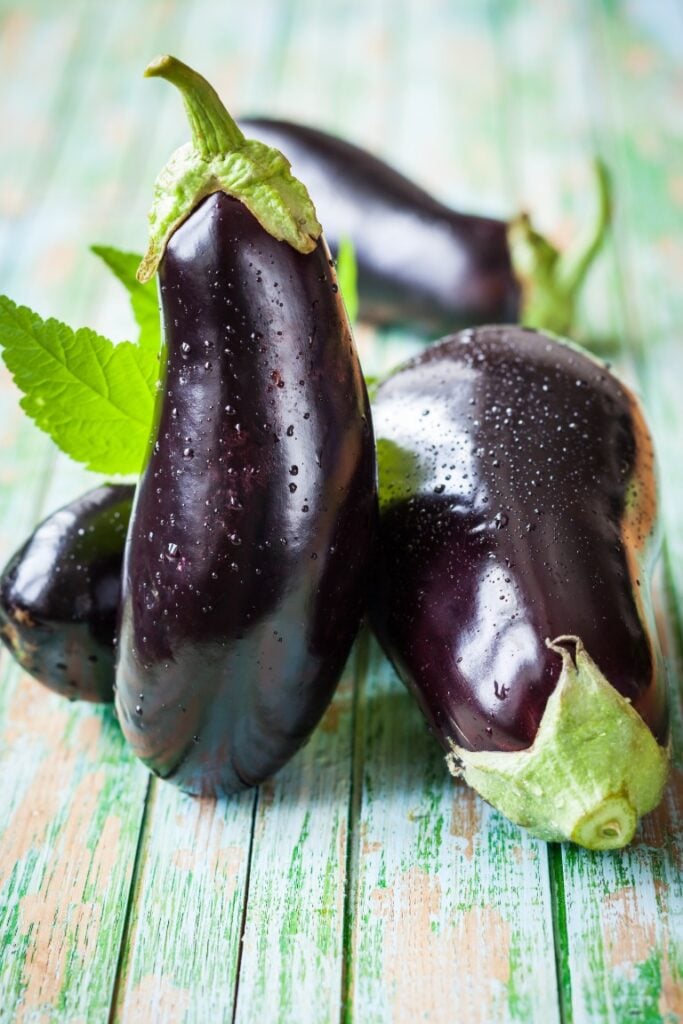
Aubergine is one of the most versatile vegetables you can cook, yet it often divides opinion due to its texture. When prepared properly, it transforms from spongy and bland into rich, silky and deeply flavourful. Enjoy it at its peak during the summer and early aumtun
In this complete guide, you’ll learn how to cook aubergine perfectly using a range of methods, including oven roasting, air frying and microwaving. You’ll also discover cooking times, nutritional benefits, recipe ideas, and answers to common questions.
Favourite Aubergine Recipes
- One-Pot Aubergine Caponata with Pearl Couscous
- Cauliflower and Aubergine Curry
- Air fryer Aubergines with Romesco Dip
- Miso Aubergines with Soba Noodle Salad

What Is Aubergine?
There are several varieties of aubergine, each with slightly different shapes, colours and flavours. The one you will most commonly found in UK supermarkets is a glossy, purple vegetable with a soft, spongy interior. Known as eggplant in the US, it belongs to the nightshade family, alongside tomatoes and peppers.
Raw aubergine has a mild, slightly bitter taste and a firm texture. However, once cooked, it becomes soft, creamy and capable of absorbing flavours exceptionally well which is why it’s widely used in Mediterranean, Middle Eastern and Asian cooking.

Do You Need to Salt Aubergine?
Salting aubergine used to be considered essential, but modern varieties are far less bitter than before so you can skip this step without much issues. It does however help create a firmer texture.
When salting helps:
- When frying (reduces oil absorption)
- When cooking large, mature aubergines
- When you want a firmer texture
How to salt aubergine:
- Slice or dice the aubergine.
- Place a colander with a place under it.
- Sprinkle with salt.
- Leave for 20–30 minutes with something heavy on top of the aubergines.
- Rinse and pat dry.
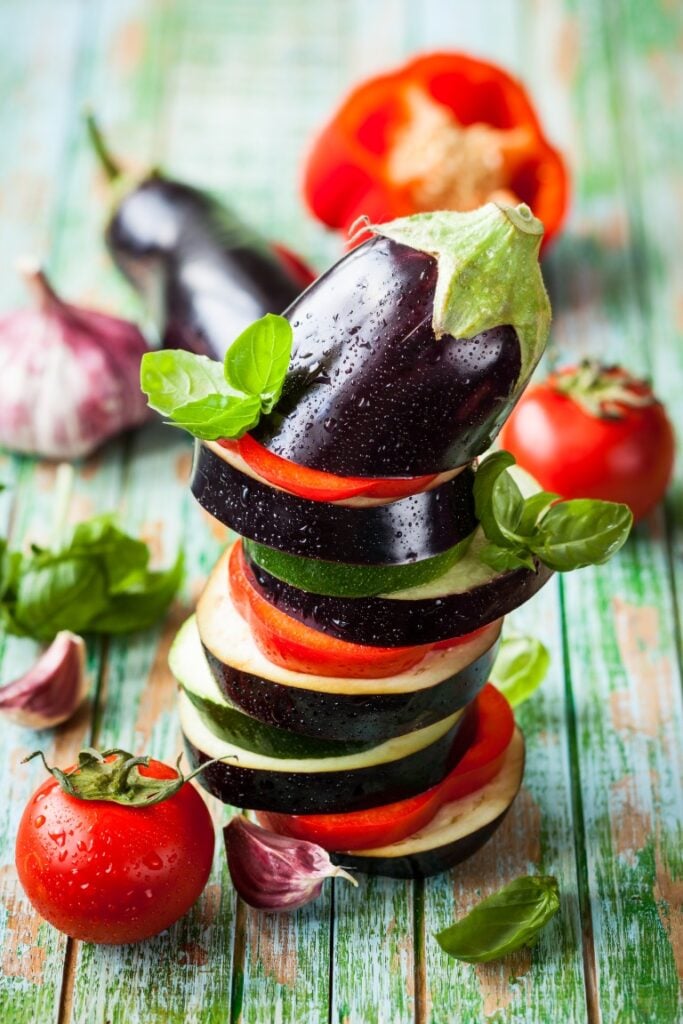
How to Prepare Aubergine Before Cooking
Proper preparation makes a noticeable difference to both texture and flavour.
1. Wash and Trim
Rinse the aubergine and cut off the top and bottom.
2. Choose Your Cut
- Cubes – ideal for curries and roasting
- Slices – great for grilling or frying
- Halves – perfect for roasting or stuffing
3. To Peel or Not to Peel
The skin is completely edible and helps hold the shape during cooking. However, for older or larger aubergines, peeling can improve tenderness.
4. Reduce Bitterness and Sogginess
- Salt if needed (see above)
- Avoid overcrowding when cooking
- Use enough oil, but not too much (aubergines have a tendency to absorb a lot of oil making some dishes very oily)
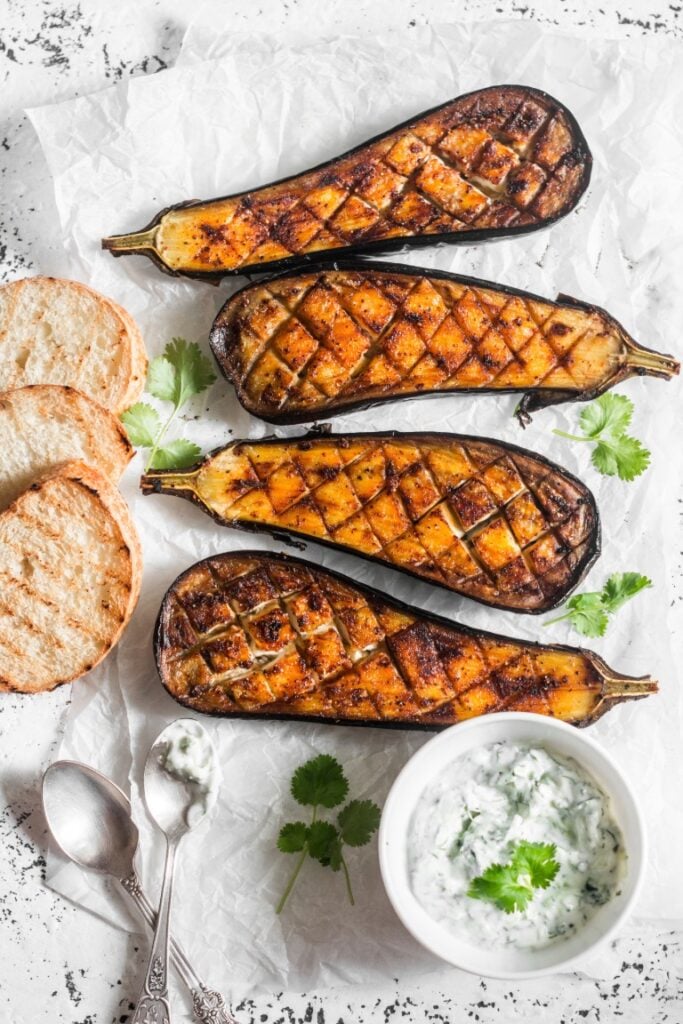
How to Cook Aubergine (All Methods Explained)
Different methods produce different textures, from soft and silky to crisp and caramelised. Here’s how to cook aubergine perfectly every time.
1. How to Roast Aubergine in the Oven
Cooking time: 20–30 minutes
Best for: Deep flavour and caramelisation
Roasting is one of the best ways to cook aubergine, as it enhances its natural sweetness.
Method:
- Preheat oven to 200°C fan (220°C conventional).
- Cut aubergine into cubes or slices.
- Toss with olive oil, salt and pepper.
- Spread on a baking tray in a single layer.
- Roast for 20–30 minutes, turning halfway.
Result:
Soft, golden and slightly crisp on the edges.
2. How to Pan-Fry Aubergine
Cooking time: 8–10 minutes
Best for: Quick meals
Method:
- Heat oil in a frying pan over medium heat.
- Add sliced aubergine.
- Cook for 8–10 minutes, turning occasionally.
Tip:
Aubergine absorbs oil quickly, so add it gradually rather than all at once.
3. How to Cook Aubergine in an Air Fryer
Cooking time: 10–15 minutes at 180°C
Best for: Crisp texture with less oil
Method:
- Cut aubergine into cubes or wedges.
- Lightly coat with oil and seasoning.
- Place in the air fryer basket.
- Cook at 180°C for 10–15 minutes, shaking halfway.
Result:
Crispy outside, soft inside.
4. How to Cook Aubergine in the Microwave
Cooking time: 5–8 minutes
Quickest way to cook aubergine
Method:
- Pierce whole aubergine or cut into chunks.
- Place in a microwave-safe dish.
- Cover loosely.
- Cook on high for 5–8 minutes until soft.
Best for:
- Mashes
- Dips
- Quick meal prep
5. How to Grill Aubergine
Cooking time: 8–12 minutes
Best for: Smoky flavour
Method:
- Slice aubergine lengthways.
- Brush with oil.
- Grill for 4–6 minutes per side.
6. How to Bake Whole Aubergine
Cooking time: 30–40 minutes
Best for: Dips and purees
Method:
- Preheat oven to 200°C.
- Pierce aubergine with a fork.
- Bake whole for 30–40 minutes.
The flesh becomes extremely soft and scoopable.
Aubergine Cooking Time Chart
| Method | Temperature | Time | Result |
|---|---|---|---|
| Roasting | 200°C fan | 20–30 mins | Soft, caramelised |
| Pan-fry | Medium heat | 8–10 mins | Golden, tender |
| Air fryer | 180°C | 10–15 mins | Crisp edges |
| Microwave | High | 5–8 mins | Very soft |
| Grill | High | 8–12 mins | Smoky |
| Whole bake | 200°C | 30–40 mins | Melt-in-soft |
What Is the Quickest Way to Cook Aubergine?
The quickest way to cook aubergine is in the microwave. It takes just 5–8 minutes and produces a soft, tender texture that’s ideal for mashes, dips or adding to sauces.
Can You Eat Aubergine Raw?
Technically, aubergine can be eaten raw, but it’s not recommended.
Raw aubergine has:
- A bitter taste
- A spongy, unpleasant texture
Cooking improves both flavour and digestibility, making it far more enjoyable.
Nutritional Benefits of Aubergine
Aubergine is a healthy, low-calorie vegetable that fits well into a balanced diet.
According to guidance from the NHS Eatwell Guide, eating a variety of vegetables is important for overall health and aubergine is a great option (as long as you don’t cook it with too much oil).
Key benefits:
- Low in calories – ideal for weight management
- High in fibre – supports digestion
- Rich in antioxidants – especially nasunin in the skin
- Supports heart health
Aubergine is also naturally:
- Vegan
- Gluten-free
- Cholesterol-free
Best Dishes to Make with Aubergine
Aubergine is used in a wide range of cuisines.
Main Meals
- Moussaka
- Aubergine parmigiana
- Aubergine curry
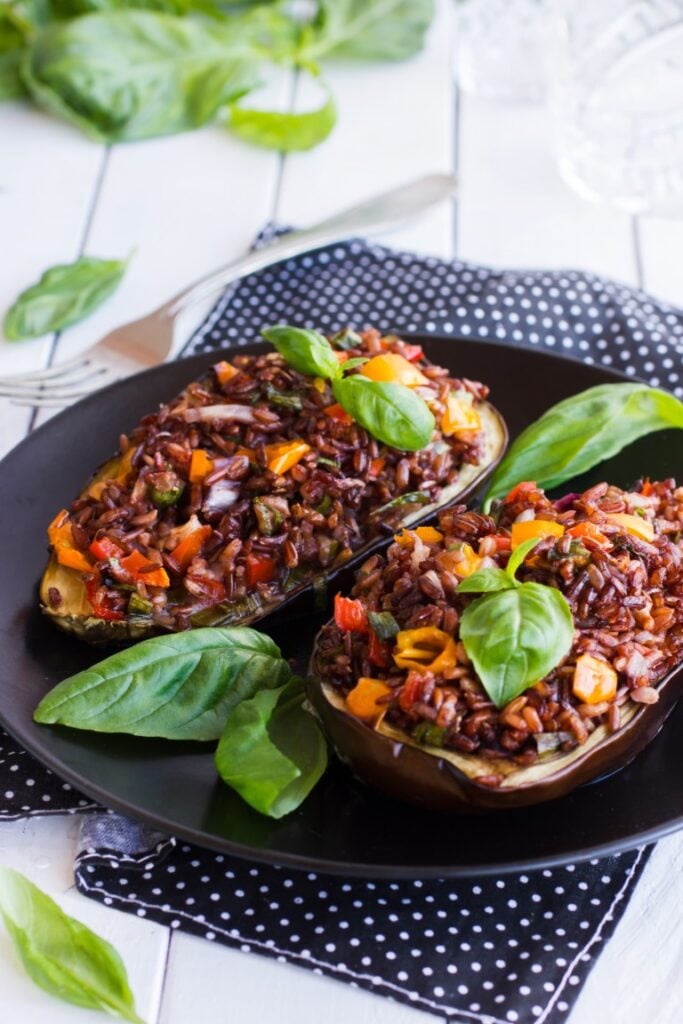
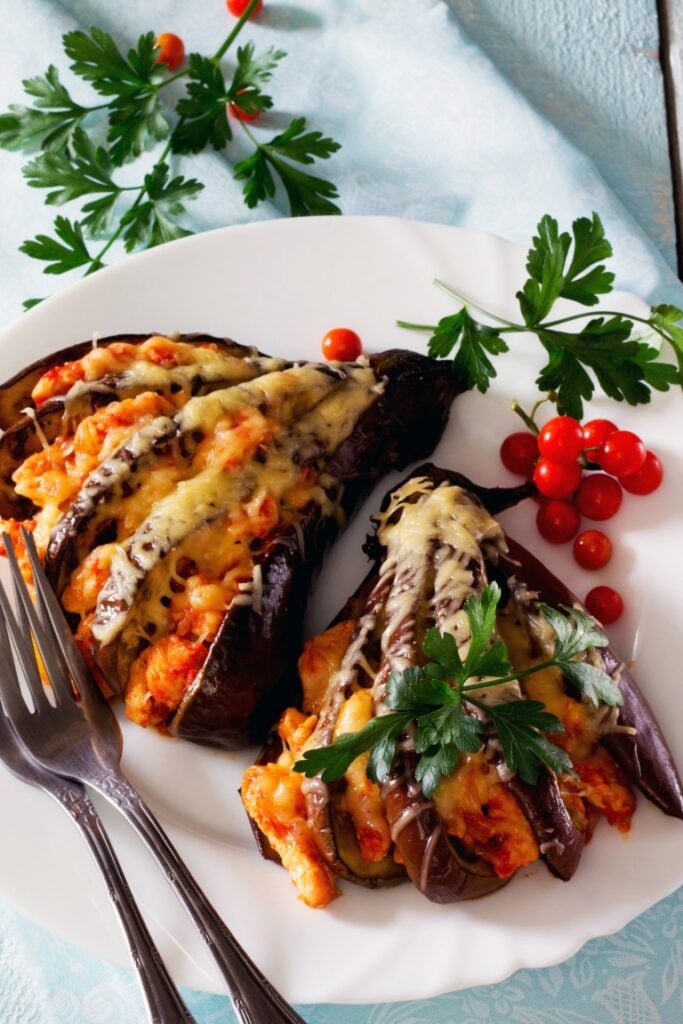
- Stuffed aubergine
- Ratatouille
- Pasta alla Norma
Side Dishes
- Roasted aubergine
- Grilled aubergine slices
- Aubergine chips
Dips & Spreads
- Baba ganoush
- Aubergine hummus
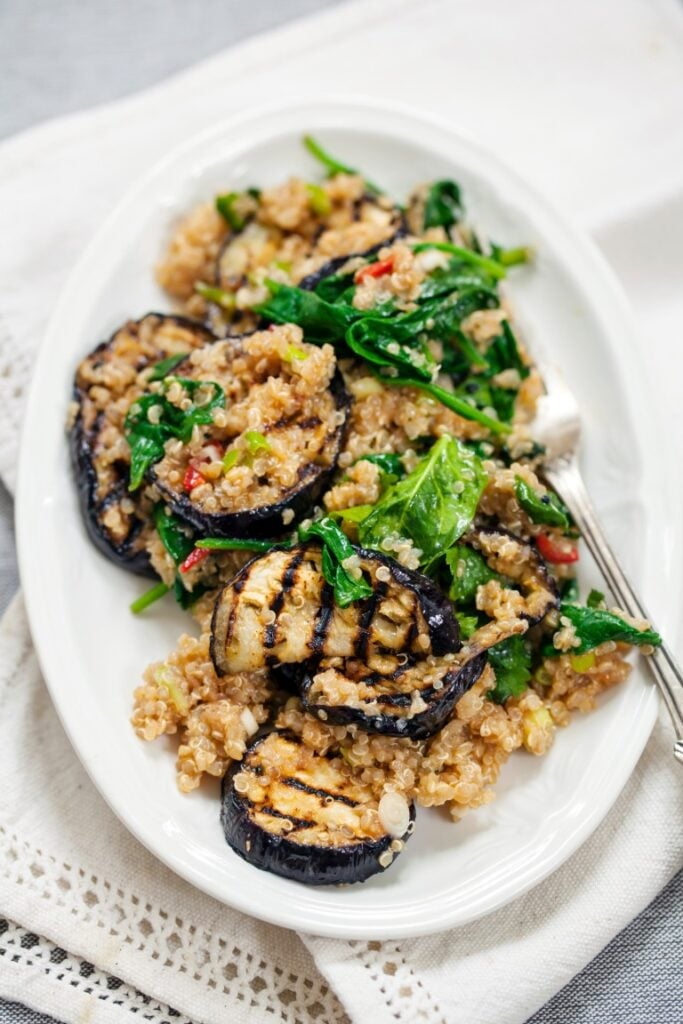
What Goes Well with Aubergine? (Pairings)
Besides cheese (mozzarella, feta, parmesan, ricotta, cheddar, gruyère), aubergine pairs well with both bold and subtle flavours, making it highly adaptable.
Proteins
- Chickpeas
- Lentils
- Meat
Pasta and Grains
- Pasta
- Rice
- Quinoa
- Barley
Flavours
- Garlic
- Tomato
- Peppers
- Olive oil
- Olive
- Lemon
- Tahini
- Soy sauce
Herbs & Spices
- Cumin
- Coriander
- Curry powder
- Paprika
- Oregano
- Parsley
- Basil
Common Mistakes When Cooking Aubergine
Avoid these common errors for better results and more consistent texture.
- Using Too Much Oil: aubergine absorbs oil quickly, which can make it greasy.
- Not Using Enough Oil: too little oil can leave it dry and undercooked.
- Undercooking: undercooked aubergine is firm and spongy rather than soft.
- Overcrowding the Pan: this traps moisture and prevents browning.
- Skipping Seasoning: aubergine benefits from bold seasoning to enhance its mild flavour.
The Best Way to Cook Aubergine
There isn’t one single best way to cook aubergine. I it depends on the dish you’re preparing and the texture you want to achieve.
- For rich flavour: roast
- For speed: microwave
- For crispiness: air fryer
- For versatility: pan-fry
Once you understand how aubergine behaves during cooking, it becomes one of the most rewarding vegetables to use.
Experiment with different methods, flavours and cuisines, and you’ll quickly see why aubergine is a staple in so many dishes around the world.
Frequently Asked Questions
It depends on the method. Roasting takes 20–30 minutes, pan-frying 8–10 minutes, and microwaving just 5–8 minutes.
Not always. Modern varieties are less bitter, but salting can improve texture and reduce oil absorption.
This is usually caused by too much oil or overcrowding during cooking, which traps steam.
Yes, but it’s best to cook it first. Raw aubergine doesn’t freeze well.
The skin is edible and nutritious, but can be removed if it feels tough.
Other Things You Might Like



Leave a Reply