

If you’re wondering how to cook beetroot so it’s tender, flavourful and never mushy, this guide has you covered. Learn how to cook beetroot using roasting, boiling, air fryer and microwave methods, plus tips on preparation, cooking times and serving ideas.

Beetroot is one of the most versatile and nutritious root vegetables you can add to your diet. With its naturally sweet, earthy flavour and vibrant colour, it works beautifully in everything from hearty roasts to fresh salads and smoothies. If you’ve ever wondered how to cook beetroot properly (without losing flavour, texture or nutrients) this complete guide covers everything you need to know.
From choosing the best varieties and preparing them correctly to cooking methods including roasting, boiling, air frying and microwaving, you’ll find step-by-step advice, a cooking time chart, serving ideas, health benefits and answers to common questions.
Favourite Beetroot Recipes
- Sri Lankan-Style Beetroot Curry
- Orange & Beetroot Chocolate Cake
- Anti-Inflammatory Smoothie Bowl
- Energising Juice with Beetroot, Apple, Carrot, Orange & Ginger
- Lentil & Beetroot Salad
Different Types of Beetroot
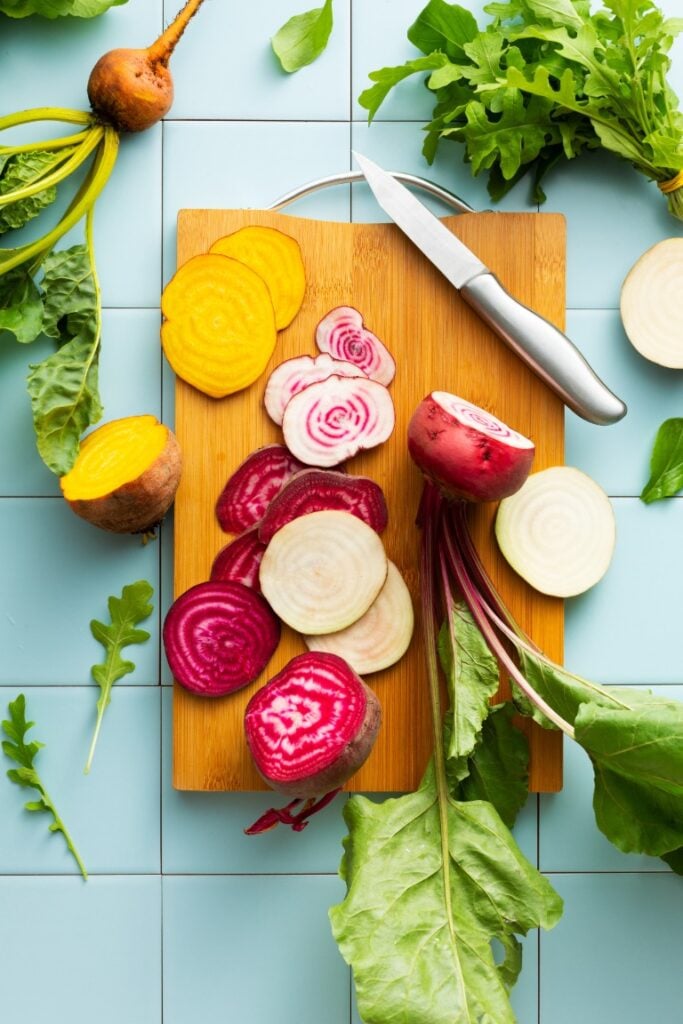
Before learning how to cook beetroot, it helps to understand the different varieties available in the UK. While red beetroot is the most common found in supermarkets, farmers markets offer a much wider variety (chioggia is one of my favourites) and you can also try to grow your own at home.
- Red Beetroot: The most common variety, with deep purple flesh and a rich, earthy taste. Ideal for roasting, boiling and soups.
- Golden Beetroot: Sweeter and milder than red beetroot, with a golden-yellow colour. It doesn’t stain as much, making it easier to handle.
- Chioggia Beetroot: Recognisable by its striking pink-and-white rings inside. Slightly sweeter and visually impressive in salads.
- Baby Beetroot: Smaller and more tender, baby beetroot cooks faster and is excellent roasted whole.
- Pre-Cooked or Vacuum-Packed Beetroot: Convenient and ready to use, though typically softer and slightly less flavourful than fresh beetroot.
How to Choose Fresh Beetroot
When shopping for fresh beetroot, look for:
- Firm, smooth skin
- A heavy feel for their size
- No soft spots or shrivelling
- Fresh, vibrant green leaves (if attached)
Smaller beetroots tend to be sweeter and more tender, while larger ones may have a slightly stronger earthy flavour.
How to Clean and Prepare Beetroot
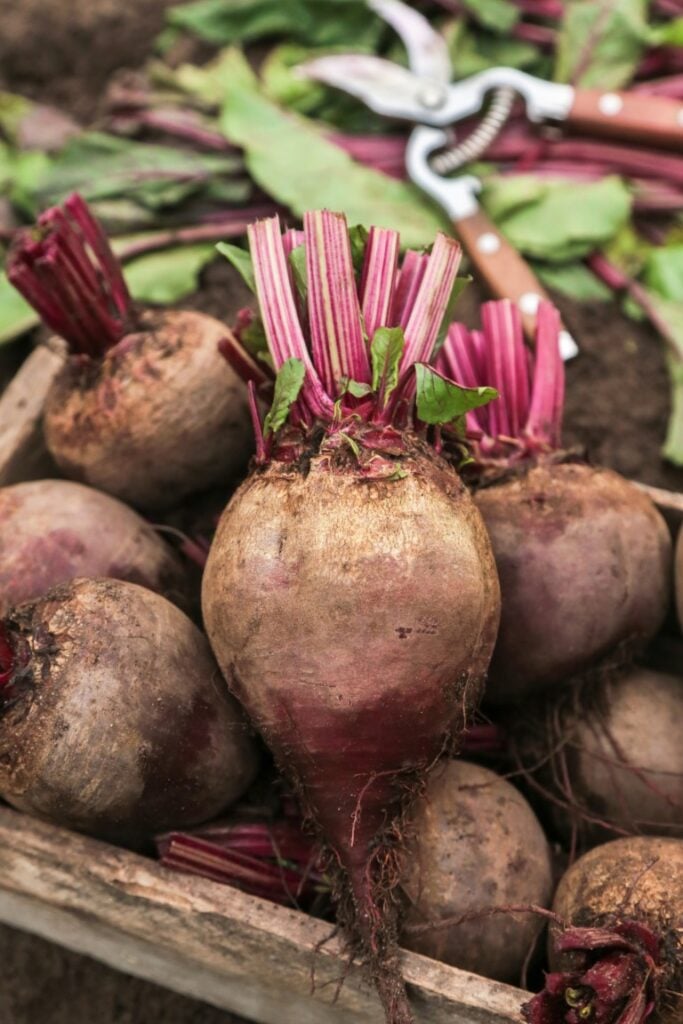
Proper preparation ensures the best flavour and texture.
- Trim off the leaves, leaving a small amount of stalk attached to reduce colour bleeding during cooking.
- Scrub gently under cold running water to remove dirt.
- Avoid cutting into the flesh before boiling if cooking whole.
- Peel either before roasting or after boiling (skins slip off easily once cooked).
TOP TIP: Wear kitchen gloves to prevent staining your hands, and use a separate chopping board if possible.
Different Ways to Cook Beetroot
There are several excellent methods depending on the texture and flavour you prefer.
1. How to Boil Beetroot
Boiling is simple and effective for whole beetroot.
Method:
- Place whole, unpeeled beetroot in a saucepan.
- Cover with water and bring to the boil.
- Reduce to a simmer.
Cooking time:
- Small beetroot: 25–30 minutes
- Medium to large: 30–45 minutes
They are ready when a knife slides in easily. Allow to cool slightly before rubbing off the skins.
Best for: salads, slicing, pureeing.
2. How to Roast Beetroot
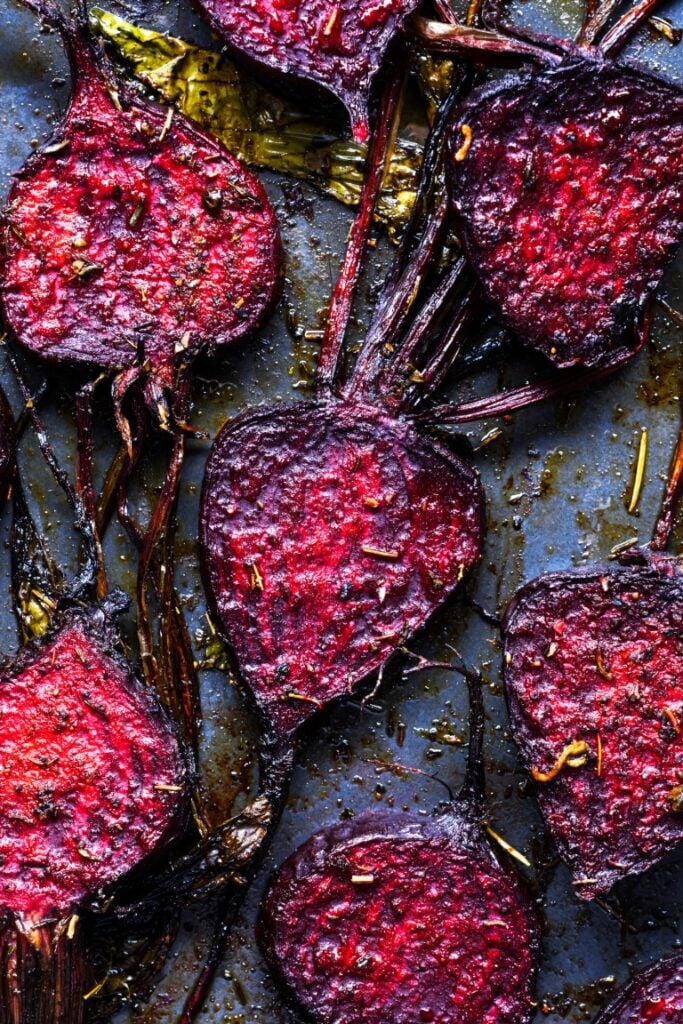
Roasting enhances sweetness and creates caramelised edges.
Method:
- Preheat oven to 200°C (fan 180°C).
- Peel and cut into wedges or cubes.
- Toss with olive oil, salt and pepper.
- Spread on a baking tray.
Cooking time: 35–45 minutes
Turn halfway through cooking.
Best for: side dishes, grain bowls, roast dinners.
3. How to Steam Beetroot
Steaming preserves nutrients and colour.
Method:
- Place whole or chopped beetroot in a steamer basket.
- Steam over boiling water.
Cooking time: 30–40 minutes
Best for: healthy meal prep, salads.
4. How to Sauté Beetroot
Works best with thin slices or grated beetroot.
Method:
- Heat oil in a frying pan.
- Add sliced beetroot.
- Cook over medium heat.
Cooking time: 10–15 minutes
Best for: quick side dishes or adding to warm salads.
5. How to Cook Beetroot in an Air Fryer
Air frying gives slightly crisp edges and a concentrated flavour.
Method:
- Peel and cube beetroot.
- Toss with a little oil and seasoning.
- Place in air fryer basket.
Temperature: 180°C
Cooking time: 15–20 minutes
Shake halfway through.
Best for: crispy cubes, healthy sides.
6. How to Microwave Beetroot
Microwaving is the quickest way to cook beetroot.
Method:
- Pierce whole beetroot with a fork.
- Place in a microwave-safe dish with 2 tablespoons of water.
- Cover loosely.
Cooking time: 8–12 minutes (depending on size)
Allow to rest before peeling.
Best for: quick meals or meal prep.
7. How to Cook Beetroot in a Pressure Cooker
Using a pressure cooker significantly reduces cooking time compared to boiling.
Method:
- Wash beetroot thoroughly and trim the leaves (leave a little stalk attached).
- Place a trivet or steamer basket inside the pressure cooker.
- Add 250ml (1 cup) of water.
- Arrange whole beetroots on the trivet or steamer basket (do not fully submerge).
- Seal and cook on high pressure.
Cooking time (high pressure)
- Small beetroot: 10–12 minutes
- Medium beetroot: 15–20 minutes
- Large beetroot: 20–25 minutes
Allow natural pressure release for 10 minutes, then quick release any remaining pressure. The beetroot is ready when a knife slides in easily. Skins will rub off effortlessly once slightly cooled.
Best for: salads, slicing, pureeing.
Beetroot Cooking Time Chart
| Method | Temperature | Time | Best For |
|---|---|---|---|
| Boiling | Simmer | 30–45 mins | Whole beets |
| Roasting | 200°C | 35–45 mins | Cubed/wedges |
| Steaming | Steamer | 30–40 mins | Nutrient retention |
| Sautéing | Pan | 10–15 mins | Thin slices |
| Air Fryer | 180°C | 15–20 mins | Crispy cubes |
| Microwave | High | 8–12 mins | Quick cooking |
| Pressure Cooker | High | 10–25 mins | Tender & moist |
![Lentil & Beetroot Salad [vegan] by The Flexitarian](https://theflexitarian.co.uk/wp-content/uploads/2017/04/Lentil-Beetroot-Salad-vegan-by-The-Flexitarian-v8.jpg)
Can You Eat Beetroot Raw?
Yes, beetroot can absolutely be eaten raw. Raw beetroot has a firmer texture and slightly sweeter taste. It works well:
- Grated into salads
- Spiralised into noodles
- Blended into smoothies
- Juiced
- Finely sliced in carpaccio-style dishes
Raw beetroot retains maximum nutrients but may be harder to digest for some people.
Types of Dishes Using Beetroot
Beetroot is incredibly adaptable.
- Salads: Pair with goat’s cheese, walnuts and rocket.
- Soups: Classic beetroot soup or Eastern European-style borscht.
- Roasted Vegetable Trays: Combine with carrots, parsnips and sweet potatoes.
- Beetroot Hummus: Blend cooked beetroot with chickpeas and tahini.
- Risotto: Adds colour and natural sweetness.
- Curries
- Juices & Smoothies: Popular in detox and sports drinks.
- Burgers & Patties: Adds moisture and colour to plant-based recipes.
- Cakes & Baked Goods: Adds moisture, natural colouring and sweetness, improves texture, boosts nutrition, plus enhances chocolate flavour.
![Sri Lankan-Style Beetroot Curry [vegan] [gluten free] | The Flexitarian](https://theflexitarian.co.uk/wp-content/uploads/2019/02/Sri-Lankan-Style-Beetroot-Curry-vegan-gluten-free-%C2%A9-The-Flexitarian-Annabelle-Randles-v8.jpg)
Best Pairings and Flavour Combinations
The natural sweetness of beetroot balances salty and tangy flavours beautifully. It pairs well with:
- Cheeses: Goat’s cheese, feta, blue cheese, ricotta, cashew cheese
- Nuts: Walnuts, hazelnuts, pecans, pistachios, pine nuts
- Herbs: Dill, thyme, parsley, mint, tarragon, chives
- Fruits: Apples, oranges, lemon, lime, grapefruit, currants
- Seasonings: Balsamic vinegar, horseradish, garlic, ginger, onions, caraway seeds, curry powder
- Vegetables: Watercress, fennel, rocket, carrots, celery
- Tofu
- Lentils
The natural sweetness balances salty and tangy flavours beautifully.
Nutritional Benefits of Beetroot
Beetroot is highly nutritious and low in calories.
Key Benefits
- Rich in folate
- Good source of fibre
- Contains potassium
- Packed with antioxidants
- Naturally contains nitrates which support healthy blood flow
- May help support exercise performance
Can Cooked Beetroot Be Frozen?
Yes, cooked beetroot freezes well. Allow it to cool completely, cut into pieces and store in airtight freezer containers. It keeps for up to 3 months. Texture may soften slightly after thawing.
Tips for Perfect Beetroot Every Time
- Leave skin on when boiling to reduce colour loss.
- Add a splash of vinegar or lemon juice when boiling to preserve colour.
- Roast uncovered for deeper caramelisation.
- Store unwashed beetroot in the fridge for up to two weeks.
- Do not overcook — it can become mushy.
![Orange & Beetroot Chocolate Cake [vegan] by The Flexitarian](https://theflexitarian.co.uk/wp-content/uploads/2016/04/Orange-Beetroot-Chocolate-Cake-vegan-by-The-Flexitarian-v83-683x1024.png)
Frequently Asked Questions (FAQs)
Whole beetroot takes 10-25 minutes in a pressure cooker, 30–45 minutes to boil, 35–45 minutes to roast and 15–20 minutes in an air fryer.
You can, but you do not have to. It’s easier to remove the skin after boiling as it rubs off easily.
Yes, whole beetroot can be microwaved for 8–12 minutes depending on size.
Yes, raw beetroot is safe and nutritious and works well grated or spiralised.
Yes, beetroot is low in calories and rich in fibre, folate, potassium and antioxidants.
Learning how to cook beetroot opens up a wide range of delicious and healthy meal options. Whether you prefer roasting for sweetness, boiling for simplicity, air frying for crisp edges or eating it raw in salads, beetroot is a versatile ingredient that deserves a place in your kitchen. With the right preparation and cooking method, it can transform everyday dishes into colourful, flavourful meals.
Other Things You Might Like Reading



Leave a Reply