


Aging well is rarely about one big decision. It grows from small, steady choices around food, movement, and daily routine. For many families, the goal is simple. They want an older relative to stay active, independent, and safe at home.

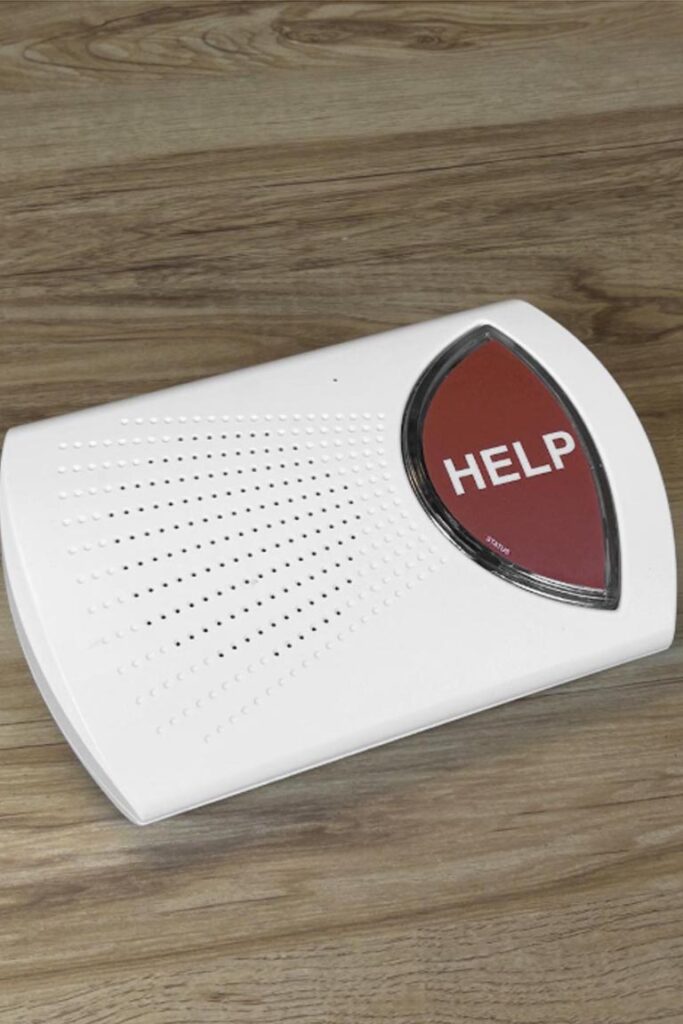
A wellness-minded approach treats later life as something to plan for, not to fear. That plan blends good nutrition and gentle activity with a few sensible safety steps. Families in the UK and Canada increasingly pair those habits with tools like Life Assure medical alert systems, which can summon help within seconds after a fall.
A wellness-minded approach treats later life as something to plan for, not to fear. That plan blends good nutrition and gentle activity with a few sensible safety steps. Families in the UK and Canada increasingly pair those habits with tools like Life Assure medical alert systems, which can summon help within seconds after a fall.
What Does Healthy Aging Actually Mean?
Healthy aging means staying capable and independent for as long as possible. It is not about chasing youth. It is about protecting function, mood, and confidence over time.
The body changes with age, and that is normal. Muscle mass slowly declines, balance shifts, and appetite can fade. The encouraging news is that lifestyle still matters a great deal. Genes play a role, yet daily choices carry real weight too.
Independence usually rests on a few key abilities. These include walking safely, preparing meals, and managing medication. When families protect those basics early, later life stays far more comfortable.
Small habits compound over the years. A short daily walk, a protein-rich meal, and proper sleep all add up. Even simple routines protect memory and mobility. Broader healthy aging research points to activity, diet, and social ties as the strongest levers we control.
Which Daily Habits Keep Older Adults Well?
The most useful habits are simple, repeatable, and easy to build into a normal day. Consistency beats intensity almost every time. A short list makes them easy to remember.
- Move most days. The NHS physical activity guidelines suggest 150 minutes of moderate activity each week after age 65.
- Add strength and balance work on at least 2 days. This helps protect against falls.
- Eat protein at every meal, aiming for roughly 20 to 30 grams per sitting.
- Drink water through the day, since thirst signals weaken with age.
- Sleep 7 to 9 hours to support memory, mood, and recovery.
- Stay social, with a call, a visit, or a shared meal several times a week.
Even 10 minutes of walking counts. The point is to keep moving and keep connected. None of these steps demand a gym membership or a strict diet.
How Does Nutrition Change as We Get Older?
Nutritional needs shift in later life, even as calorie needs often drop. Older adults may need more protein, calcium, and vitamin D than they did at 40. Getting enough can be harder when appetite fades.
Sarcopenia is the gradual loss of muscle that comes with age. Protein and resistance work slow it down. Vitamin D also supports bone strength and balance, which matters after 65.
A flexitarian pattern fits this stage well. It leans on vegetables, whole grains, legumes, and fish. Meat becomes an occasional choice rather than a daily one. This approach supports heart health without strict rules.
Practical plant-based eating can be as easy as adding beans to a soup. Soft, colourful, protein-rich plates work best when appetite or chewing get harder. Small, frequent meals often beat three large ones. A little planning keeps the fridge stocked with easy options.
What Safety Steps Support Independence at Home?
Safety planning is what lets people stay in the home they love. A few low-cost changes remove the most common hazards. The aim is quiet reassurance, not surveillance.
| Area | Simple step | Why it helps |
| Floors | Remove loose rugs and clutter | Cuts trip hazards |
| Lighting | Add night lights on stairs and halls | Improves night vision |
| Bathroom | Fit grab rails and a non-slip mat | Steadies risky moves |
| Emergency | Keep a wearable alert within reach | Speeds help after a fall |
Falls are a leading reason older adults lose independence. Around 1 in 3 people over 65 fall each year. Fast help after a fall can shorten recovery and reduce fear. A monitored alert button is one calm, proactive layer. It sits beside good staying healthy habits rather than replacing them.
The best setup suits the person, not a brochure. Some prefer a home base unit, while others want a wearable they can take outdoors. Matching the device to daily life keeps it in use.
How Can Families Start the Conversation?
The safety talk works best when framed around freedom, not decline. Nobody wants to feel managed. Present each step as a way to stay independent for longer.
A gentle approach usually helps the message land. Timing and tone matter as much as the facts. Try these simple moves:
- Start early, before a crisis forces the issue.
- Ask what your relative wants, and listen closely.
- Introduce one change at a time.
- Revisit the plan every few months.
A shared plan feels very different from an imposed one. When an older adult helps choose their routine, they tend to stick with it. Small wins early build trust for bigger decisions later.
Involving other family members also spreads the load. A quick group chat can track appointments, meals, and check-in calls. Shared duties keep any one person from burning out.
Small Steps That Make a Big Difference
- Build activity into daily life, aiming for 150 minutes a week.
- Prioritise protein, hydration, and 7 to 9 hours of sleep.
- Make the home safer with lighting, grab rails, and clear floors.
- Treat a wearable alert as one part of a wider wellness plan.
- Keep older relatives socially connected and involved in decisions.
Bringing the Plan Together
Healthy aging is a team effort built on ordinary habits. Good food, regular movement, and a safe home let older adults stay independent and confident. Add a simple safety net, keep the conversation kind, and later life feels lighter for everyone.
Frequently Asked Questions
There is no fixed age, but earlier is easier. Habits around diet, activity, and home safety are simpler to build in your 50s and 60s. Starting before a health scare keeps the process calm.
Yes, diet is one of the strongest factors we can control. A plant-forward pattern with enough protein supports muscle, heart health, and energy. Small, consistent changes matter more than any single food.
No, they help many households, including couples and part-time carers. A medical alert is a small device that calls for help fast. It offers reassurance for the whole household, not just the wearer.
Most healthy older adults can aim for 150 minutes of moderate activity weekly. Strength and balance work on 2 days adds extra protection. Anyone with a medical condition should check with a doctor first.
Other Things You Might Enjoy Reading



Leave a Reply