

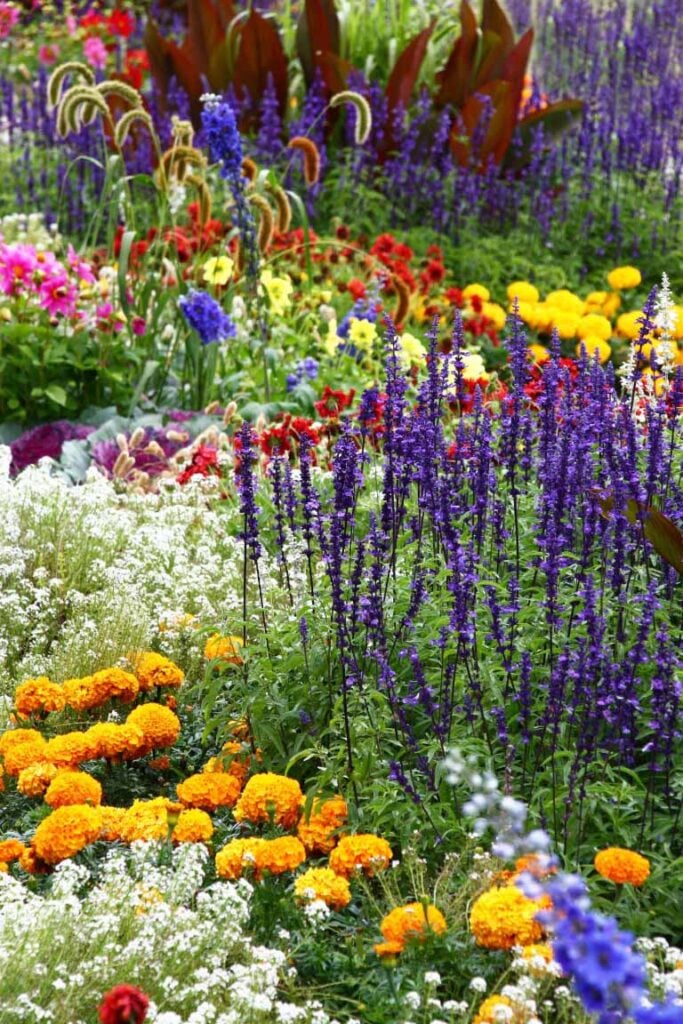
Bulbs and tubers make it possible to create an attractive arrangement in a flower bed, on a balcony or terrace relatively quickly. The key is to match the species to the growing location, planting time and desired effect, as not every plant requires the same conditions. Properly selected plant’s bulbs can develop into decorative flowers or plants with interesting, colourful foliage.
To create a cohesive and attractive plant arrangement, it is worth planning the choice of bulbs and tubers, as well as the cultivation method, from the very beginning. In this article, you will learn:
- how bulbs, tubers and other underground storage organs differ,
- how to select plants for gardens, pots and specific light conditions,
- how to recognise healthy planting material,
- how to prepare the soil and reduce the risk of rotting,
- when to start cultivation and how to care for young plants.
With this information, you will be able to plan your planting more effectively and avoid the most common mistakes made at the beginning of cultivation.
What are plant’s bulbs and why are they worth planting?
The term plant’s bulbs is often used broadly to refer to bulbs, tubers and similar plant parts that store water and nutrients needed to begin growth. Thanks to these stored reserves, the plant can produce its first roots and shoots before the above-ground part begins to make full use of sunlight.
This type of planting material is also convenient for less experienced gardeners. There is no need to grow plants from seed, and when the correct planting time and suitable conditions are maintained, visible results can appear relatively quickly.
MP Seeds – a small tuber, a big effect in your green space.
How should bulbs and tubers be matched to the growing location?
The first criterion should be the growing position. For sunny flower beds, you can choose species that tolerate several hours of direct sunlight. On partially shaded balconies, plants that grow well in diffused light will usually be a better option.
The amount of available space also matters. Vigorous varieties require a larger pot and sufficient spacing, while compact plants can be used in smaller containers, balcony boxes or seasonal arrangements.
Before buying, it is worth checking:
- the expected height and width of the plant,
- the planting time and anticipated flowering period,
- the species’ resistance to low temperatures,
- whether the plant can overwinter in the ground or needs to be stored indoors.
This short assessment reduces the risk of choosing a variety whose requirements do not match the conditions in your home or garden.
How can you check whether a bulb or tuber is healthy?
A healthy plant’s bulbs should be firm, compact and free from extensive damage. Small dry areas on the outer layer do not always indicate a problem, but soft spots, damp discolouration and an unpleasant smell may suggest that rotting has already begun.
Tip: after receiving your delivery, do not leave bulbs or tubers in tightly sealed packaging for a long time. Keep them in a dry, well-ventilated place and plant them at the time recommended for the particular species.
Planting plant’s bulbs step by step
The soil should be well-draining and suited to the requirements of the selected plant. Heavy soil that retains moisture for a long time increases the risk of rotting. For this reason, drainage holes and a layer that allows excess water to escape are particularly important in containers.
When planting, you should:
- loosen the soil and remove larger clumps,
- check that the bulb or tuber is positioned correctly,
- maintain spacing suited to the plant’s mature size,
- cover the planting material with the depth of soil recommended for the species,
- water the planting area gently.
After planting, the soil can be watered lightly, but it should not become completely waterlogged. Further watering should depend on the temperature, pot size and rate at which the soil dries out rather than following a rigid schedule automatically.
Where can you find bulbs and tubers for interesting arrangements?
When choosing planting material, clear information about the variety, cultivation method and mature appearance of the plant is useful. The plant’s bulbs category includes options suitable for creating decorative arrangements in gardens and containers.
It is worth beginning the selection process not with flower colour alone, but by checking the plant’s requirements. Only then should plants be combined according to their height, growth habit, foliage colour and flowering period.
With MP Seeds, you can create a garden that impresses at first sight.
How should bulbs and tubers be cared for from selection to cultivation?
Growing plants from bulbs and tubers does not have to be complicated, provided that several key principles are followed. The most important factor is matching the species to the conditions you can provide, including light, space and temperature. Choosing healthy planting material and preparing suitable soil are equally important. The growing medium should be well-draining and adapted to the needs of the plant.
At every stage, from planting to active growth, it is worth observing the plants and responding to their needs instead of following a rigid care routine. Moderate watering, fertilising at the right time and maintaining stable conditions help reduce the risk of problems and support healthy development.
FAQ – frequently asked questions about plant’s bulbs
Can plant’s bulbs be planted in pots?
Yes, many bulbs and tubers grow well in containers. The pot should have drainage holes, be appropriately sized and contain well-draining soil suited to the requirements of the particular plant.
How often should bulbs and tubers be watered after planting?
The frequency of watering depends on the species, temperature and the rate at which the soil dries out. The growing medium should not remain constantly wet, as excess moisture can cause the planting material to rot.
Do all bulbs and tubers need to be dug up before winter?
No. Some species can overwinter in the ground, while frost-sensitive plants need to be dug up or moved in their containers to a protected location. The decision should be based on the requirements of the particular variety and local weather conditions.
Other Things You Might Enjoy Reading


