

Saving money on groceries while cutting waste sounds great, but most people aren’t sure where to start. The truth is that flexitarian swaps work because they replace costly, short-lived ingredients with options that last longer and taste just as good.
If you’ve ever opened your fridge and found wilted produce or half-used items you forgot about, you’re not alone. This article breaks down five simple swaps that fit into everyday meals, reduce waste, and make a real difference in your weekly spending.
1. Flexitarian Swaps That Save You Money
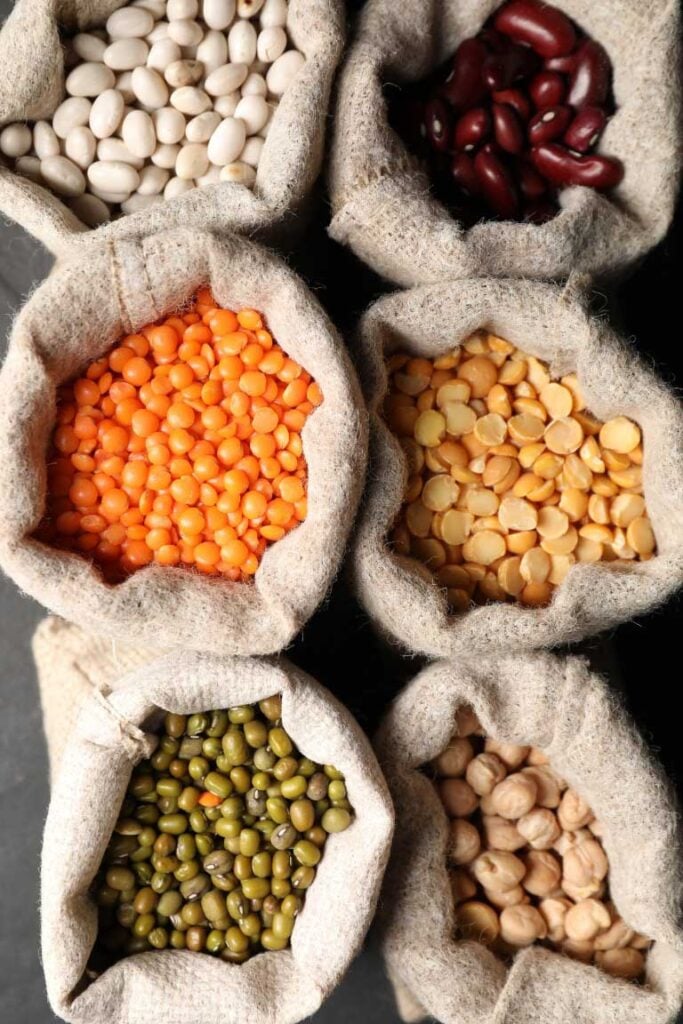
Most people want meals that feel familiar, so the smartest swap is one that blends into dishes you already make. Beans fit perfectly into tacos, stews, pasta sauces, and curries without changing the flavor profile. They also stay fresh for months, which means less food waste and lower overall grocery spending.
Here are the key advantages of switching to beans in everyday cooking:
- Cheaper per serving
- Longer shelf life
- More fiber and plant-based protein
Swapping even half of the meat in a recipe can cut weekly grocery costs without disrupting your routine. Many people start with beans and then confidently explore other flexitarian habits. This single change often triggers a noticeable shift in both savings and the ease of meal planning.
2. Frozen Veg Over Out-of-Season Produce
Out-of-season vegetables can push your budget fast, especially when prices spike. Frozen vegetables step in as a strong alternative because they cost less and are harvested at peak ripeness. They also stay fresh for months, which helps prevent wilted produce from ending up in the bin.
These vegetables give you more control over portions because you only use what you need. Many families rely on frozen options for soups, stir-fries, and pasta dishes where texture differences are minimal. This swap also encourages more consistent vegetable intake throughout the week while keeping meal prep quick and stress-free.
3. DIY Oat Milk for Everyday Use
Milk alternatives add up quickly, especially for households that go through multiple cartons. Oat milk is one of the easiest substitutes to make at home with only oats and water. A quick blend creates a smooth, reliable option for coffee, cereal, and baking with far more control over sweetness and texture.
Making your own also cuts down on packaging waste. When you start seeing the difference in your monthly grocery total, tracking it can be motivating. You can use 118M8 to rethink your spending by reviewing grocery habits and monitoring real progress toward your food budget, helping you stay consistent with your savings goals.
4. Whole Spices Instead of Pre-Mixed Blends
Seasoning blends are convenient but usually cost more per gram than whole spices. Whole spices last longer, deliver stronger flavor, and give you more control in the kitchen. Toasting and grinding them as needed also elevates aroma and freshness, making even simple meals taste more intentional.
You can simplify your spice cabinet by focusing on key staples. These are common spices that form the base of many blends:
- Cumin seeds
- Coriander seeds
- Black peppercorns
Choosing whole spices reduces how often you replace stale blends. This small shift can improve flavor and cut long-term pantry costs, especially for home cooks who season dishes often.
5. Batch Cooked Grains for Fast Meals
Convenience grain packs save time but cost significantly more per serving. Cooking grains in bulk is simple and lets you freeze portions for quick meals throughout the week. This makes it easy to build healthy dishes without relying on single-serve packages, and it gives you ready-to-use bases for soups, salads, and stir-fries.
Batch cooking also helps reduce packaging waste. Buying grains in larger quantities stretches your budget and keeps your pantry stocked. Many people adopt this habit long-term because it supports efficient and affordable meal prep while adding flexibility to busy weeknight cooking.
Building a Sustainable Food Routine
Flexitarian swaps that lower costs and waste work best when they blend seamlessly into your weekly routine. Each small adjustment strengthens your budget and helps your ingredients last longer without changing how you enjoy your meals.
These habits also grow more rewarding the longer you practice them. Try one swap at a time, pay attention to the savings, and keep shaping a food routine that supports your goals. You’re always welcome to share what’s working for you or explore new ideas on our blog as you continue building your progress.
Other Things You Might Like



Leave a Reply