

If you’re looking to make the transition to flexitarian diet habits in a simple and sustainable way, this beginner’s guide offers practical tips and realistic advice to help you get started. It explores easy strategies for reducing meat intake while building balanced, plant-forward meals that fit comfortably into everyday life.
Understanding the Flexitarian Diet
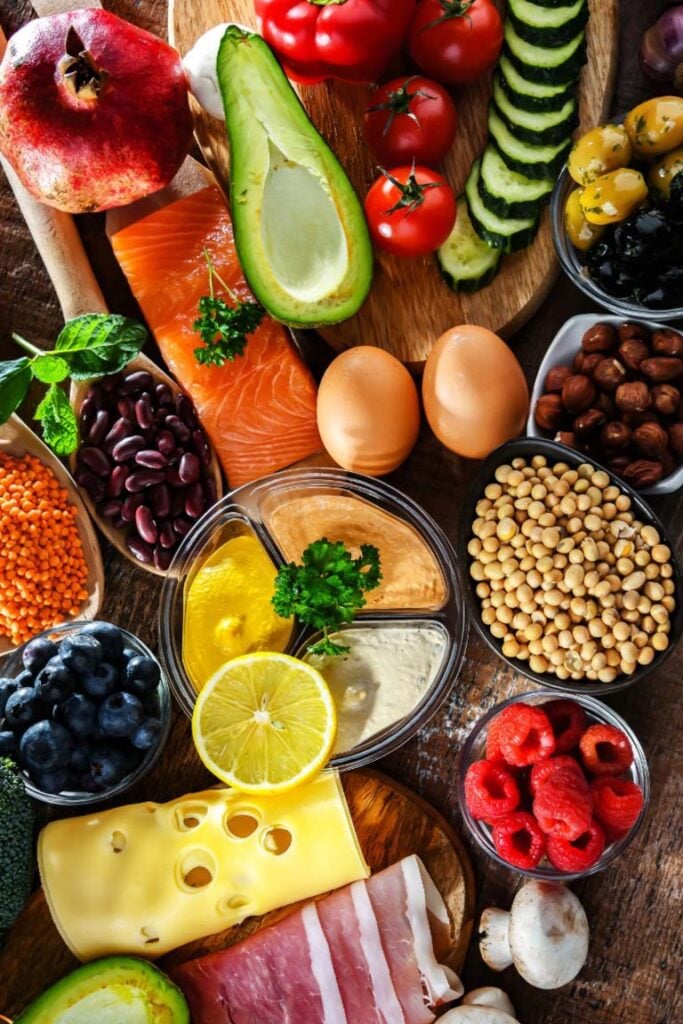
The flexitarian diet is a flexible, primarily plant-based approach to eating that encourages people to consume more whole, nutritious foods while still allowing occasional meat and animal products. The term itself combines the words “flexible” and “vegetarian”, reflecting a lifestyle that focuses on moderation rather than restriction.
At the core of the flexitarian diet are key principles such as prioritising fruits, vegetables, legumes, whole grains, nuts, seeds, and plant-based proteins, while gradually reducing the amount of meat (as well as fish and dairy) consumed rather than removing them entirely. This balanced and adaptable approach makes it particularly appealing for individuals seeking a realistic and sustainable way to improve their eating habits.
For many people, making the transition to flexitarian diet habits can bring a wide range of benefits, both for personal health and the environment. Health-wise, reducing meat intake and increasing plant-based foods may support heart health, improve digestion, aid weight management, and lower the risk of certain chronic conditions such as type 2 diabetes and high blood pressure.
From an environmental perspective, eating less meat can help reduce greenhouse gas emissions, conserve water, and lessen the environmental impact associated with intensive livestock farming.
Unlike vegetarianism, which excludes meat completely, and veganism, which avoids all animal-derived products including dairy, eggs, and honey, the flexitarian diet offers greater freedom and flexibility. This less restrictive nature makes it easier for many people to maintain long term, especially those who want to adopt healthier habits without feeling limited by strict dietary rules.
Practical Tips for Transitioning
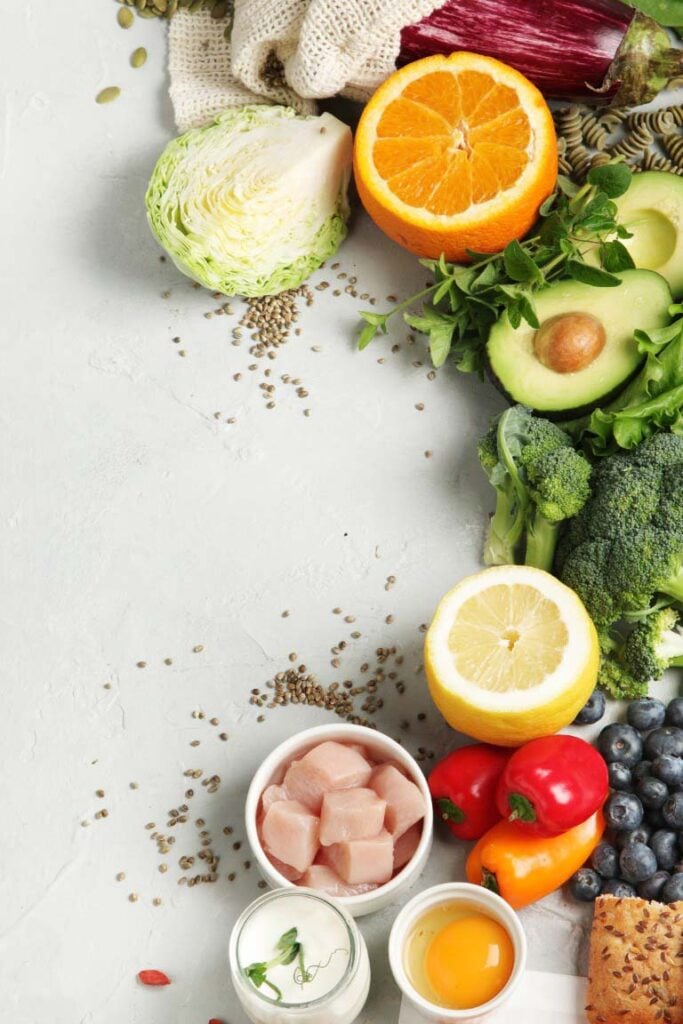
Successfully moving towards a flexitarian lifestyle often works best when approached gradually, allowing time for new habits to develop naturally. Rather than cutting out meat completely from the outset, focus on steadily reducing your intake in realistic and manageable ways. A good starting point is introducing one or two meat-free days each week, such as participating (like I did) in “Meat-Free Monday” or taking on a longer timely challenge like “Veganuary” or “National Vegetarian Week“, then increasing these over time as you become more comfortable with plant-based meals.
Another useful strategy is to reduce portion sizes of meat in familiar dishes while replacing part of it with nutrient-rich plant ingredients. For instance, lentils or finely chopped mushrooms can be added to shepherd’s pie, chilli, or Bolognese sauces to maintain flavour and texture whilst reducing reliance on meat. Choosing plant-based alternatives for lunch a few times a week, such as hummus wraps, vegetable soups, or bean salads, can also make the transition to flexitarian diet habits feel more achievable without requiring drastic changes.
Meal planning plays an essential role in making the switch both practical and sustainable. Without preparation, it can be easy to fall back on familiar, meat-centred meals, particularly during busy periods. Setting aside time each week to organise meals and shopping lists can make it much easier to include more plant-based options consistently. When planning meals, try building your plate around vegetables, whole grains, and legumes first, rather than viewing meat as the main feature. Dishes such as vegetable stir-fries, chickpea curries, roasted vegetable pasta, grain bowls, and homemade soups are all satisfying choices that can be adapted to personal tastes. Batch cooking and preparing meals in advance can also save time whilst ensuring healthy options are always available, particularly on hectic weekdays.
In addition to meal planning, stocking a flexitarian-friendly pantry is an important step in supporting long-term success. Keeping cupboards filled with nutritious staples makes preparing balanced meals quicker, easier, and far more convenient. Essentials such as tinned beans, lentils, chickpeas, quinoa, brown rice, couscous, wholegrain pasta, oats, nuts, seeds, herbs, spices, and healthy oils can provide the foundation for a wide variety of meals. It is also helpful to keep frozen vegetables, plant-based proteins such as tofu or tempeh, and simple flavour enhancers such as vegetable stock, garlic, and tomato passata on hand for quick meal preparation. Having these ingredients readily available reduces the temptation to rely on processed convenience foods or takeaway meals and helps make the shift towards a more plant-focused lifestyle feel both enjoyable and sustainable.
Investing in a few cookbooks focused on plant-based or flexitarian eating can also be a highly effective way to support your journey. Having structured recipes at hand removes the guesswork from meal preparation and introduces you to new ingredients, flavour combinations, and cooking techniques that you might not otherwise try. Many modern cookbooks are designed specifically for people making the transition to flexitarian diet, offering simple, accessible meals that do not require specialist ingredients or advanced cooking skills. This can help build confidence in the kitchen while keeping meals varied and enjoyable, reducing the risk of falling back into repetitive or meat-heavy routines.

Incorporating Delicious Plant-Based Recipes
One of the most enjoyable aspects of adopting a flexitarian lifestyle is discovering just how varied and flavourful plant-based cooking can be. Starting with simple, accessible recipes can help build confidence in the kitchen while making the transition to flexitarian diet habits feel more natural and enjoyable. Easy vegetarian and vegan dishes such as vegetable stir-fries with soy and ginger, chickpea and spinach curry, lentil shepherd’s pie, roasted vegetable pasta, and sweet potato and black bean tacos are excellent starting points. These meals are not only nutritious but also satisfying, proving that plant-based cooking can be both hearty and full of flavour.
My recipes are inspired by different world cuisines and encourage balance rather than restriction. Examples include grain bowls and hearty salads packed with seasonal vegetables, simple lentil-based dishes, and creative ways to incorporate beans, pulses, and whole grains into everyday cooking. These types of meals align closely with flexitarian eating by prioritising plant foods while still allowing flexibility for you to add your protein of choice, making them ideal for anyone easing into a more balanced dietary approach.
Meal variety plays a crucial role in maintaining long-term interest and motivation. Repeating the same meals can quickly lead to boredom, which may make it harder to stick with new habits. Experimenting with different cuisines (such as Mediterranean, Middle Eastern, Indian, or East Asian) can introduce exciting new flavours and ingredients into your routine. Trying new herbs, spices, and cooking methods also helps keep meals engaging and prevents the diet from feeling restrictive. Over time, this sense of variety and exploration can make plant-based eating an enjoyable and sustainable part of everyday life, rather than a short-term change.

Overcoming Common Challenges
While the transition to a flexitarian diet is generally flexible and realistic, it is not without its challenges. One of the most common obstacles people face is habit and familiarity, particularly when it comes to relying on meat as the centrepiece of meals. Others may struggle with cravings for meat, especially in the early stages of reducing intake, or feel uncertain about how to create satisfying plant-based alternatives that feel equally filling and enjoyable. Social situations and established routines can also make the shift more difficult, particularly when dining out or cooking for households with mixed dietary preferences, where expectations around meals may differ.
Dealing with cravings for meat can be managed through gradual reduction rather than sudden elimination. Incorporating high-protein plant foods such as lentils, beans, tofu, tempeh, and chickpeas can help maintain satiety and reduce the feeling of deprivation. Many people also find that replicating familiar flavours and textures (such as using plant-based mince or Quorn in spaghetti Bolognese or mushrooms in place of beef in stews) makes the transition to flexitarian diet habits easier to sustain. Over time, cravings often lessen as the palate adapts and new preferences develop, especially when meals remain varied and flavourful.
Family dynamics can also play an important role in the success of a flexitarian lifestyle. When cooking for others with different dietary preferences, flexibility and communication are key. Preparing meals that can be easily adapted (such as taco nights, pasta dishes, or build-your-own grain bowls) allows everyone to customise their plate according to their needs. This approach reduces pressure and ensures no one feels excluded. In many cases, introducing plant-based meals gradually to the whole household, rather than cooking separate dishes, can help normalise the change and encourage wider acceptance of more sustainable eating habits.
Other Things You Might Enjoy Reading



Leave a Reply