

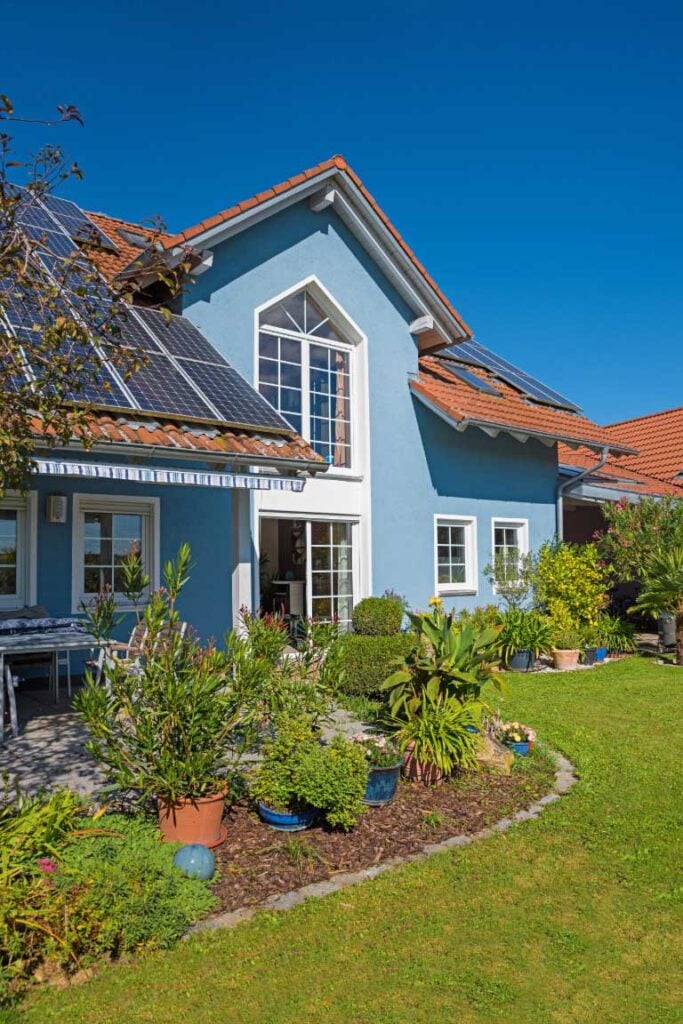
For eco conscious homeowners, choosing a solar battery is about more than picking the cheapest or most recognisable brand. It’s about finding a product that aligns with your values, low environmental impact, long operational life, safe chemistry, and responsible manufacturing, while also delivering solid financial returns. A thorough solar battery comparison helps you weigh those factors systematically rather than going on name recognition alone. Here’s a breakdown of the top options currently available in Australia and New Zealand, with eco homes specifically in mind.
What Makes a Battery Eco Friendly?
The most important factors are chemistry and manufacturing footprint. Lithium iron phosphate (LFP) batteries are generally considered the most environmentally responsible choice: they don’t contain cobalt, whose mining has significant human rights and environmental concerns, they’re thermally stable and safe, and they have long cycle lives that reduce the frequency of replacement. Batteries using nickel manganese cobalt (NMC) chemistry offer higher energy density but come with a more complex environmental profile that eco buyers should weigh carefully before committing.
Tesla Powerwall 3
The Powerwall 3 uses NMC chemistry and sits at the premium end of the market. It integrates cleanly with solar systems and is managed through Tesla’s app, which offers excellent monitoring and automation. Tesla has made commitments around battery recycling, and their Gigafactories are increasingly powered by renewable energy. For eco homes already in the Tesla ecosystem, EV, solar roof, and the Powerwall are a natural fit. For those starting fresh, the higher price and NMC chemistry may give eco-conscious buyers pause.
BYD Battery Box Premium HVS
BYD’s Battery Box Premium HVS uses LFP chemistry, is highly modular, and sits in the mid- to high-performance segment at a competitive price. BYD is one of the world’s largest EV and battery manufacturers, meaning significant investment in supply chain efficiency and recycling infrastructure. The modular design is eco friendly in its own right; you can scale capacity incrementally rather than replacing a whole system as your needs change. It works with a wide range of inverters, giving you flexibility to keep existing components rather than starting from scratch.
Alpha ESS
Alpha ESS is a well-regarded manufacturer with strong representation in the Australian market. Their residential range uses LFP chemistry and offers a competitive price point for the capacity delivered. It’s a practical choice for eco homes that want the environmental benefits of LFP chemistry without paying a premium. Alpha ESS has an established service network in Australia, which is important for warranty claims and long-term support. According to EnergySage, Alpha ESS consistently ranks among the top performers in customer satisfaction surveys for residential battery storage.
VoltX Energy NeoVolt
The NeoVolt uses LFP chemistry and is designed specifically for Australian and New Zealand conditions. Its local focus means customer support is genuinely accessible, warranty claims are processed faster than with some international brands, and the system is calibrated for local grid standards. For eco homes that value buying from a locally oriented company with strong after-sales service, the NeoVolt is a competitive option. Its 10 year warranty and 6,000+ cycle rating put it comfortably in the same tier as international competitors.
Sonnen ECO
Germany’s Sonnen is perhaps the most eco-intentional battery brand on the market. They use LFP chemistry, manufacture in a solar-powered facility, and operate a virtual power plant that allows battery owners to share energy and receive bill credits. Their ECO range is rated to 10,000 cycles, and the company has a strong focus on circular economy principles. The downside is price. Sonnen products sit at the top of the market, which puts them out of reach for many households but makes them a compelling choice for eco properties where budget is less of a constraint.
Making Your Decision
For eco homes, the shortlist should focus on LFP chemistry products from manufacturers with credible sustainability commitments. BYD, NeoVolt, Alpha ESS, and Sonnen all score well here. Tesla remains strong for its ecosystem integration and improving manufacturing footprint. Choice Australia is a useful reference for independent performance data and installer recommendations based on real world Australian conditions.
Final Thoughts
The right solar battery for an eco-home is the one that aligns most closely with your values, budget, and existing solar setup. LFP chemistry, long warranty coverage, local support, and responsible manufacturing should all be on your checklist. With market competition intensifying and prices continuing to fall, there has never been a better time to invest in battery storage for your sustainable home.
Other Things You Might Like



Leave a Reply