

At first glance, a new car may seem like the greener option, as the latest generation is usually more fuel-efficient, emits less tailpipe pollution, and includes the newest technologies. An electric car naturally produces no exhaust emissions. But this equation has a less visible side.
Manufacturing a car demands raw materials, energy, and an extensive production process that leaves an environmental mark long before the first mile is driven, whether the car is petrol, diesel, or electric. So the question of which choice is greener isn’t quite as simple as comparing what comes of the exhaust.
The Environmental Cost Starts Before a Car Reaches the Road
Every car has embodied emissions, the environmental imprint gathered throughout its manufacture. This includes obtaining and processing basic components such as glass, plastics, aluminium, and steel. It deals with component production, car assembly, and shipment of the finished product to dealerships.
For electric vehicles, battery production adds a particularly significant layer to this manufacturing burden. Research suggests that producing a large EV battery pack can account for 40% to 60% of the total emissions generated during the manufacturing of an entire electric car.
The key point here is that when you buy new, you’re creating demand for another vehicle to be manufactured from scratch. Buying used, by contrast, extends the useful life of something that already exists, along with all the resources and energy that went into making it.
Why Buying Used Can Be the More Sustainable Choice

Choosing second-hand has strong environmental benefits. Keeping an old car on the road helps better use already used resources, postpones the time a car turns to garbage, and helps to lower demand for new manufacturing. It supports the ideas of reuse and the circular economy as it tries to get more useful life from things currently on the market instead of always going through fresh manufacturing.
This approach also resonates with wider UK consumer behaviour. A 2026 sustainability survey found that 60% of UK consumers now buy second-hand products, indicating that recommerce has moved firmly into the mainstream.
Condition and History Still Matter
Of course, extending a vehicle’s life only makes environmental sense if it remains safe, legitimate, and realistically serviceable. A used car with a murky past or serious underlying problems is a liability waiting to happen. While that statement might be a bit harsh, the vehicle history is rather important as it not only tells a story about the past, but also helps guide the decision in terms of potential repair costs, outstanding finance and other issues.
Before making a purchase of any used car in the UK market, the smart buyer ought to review the MOT history, maintenance and service logs, mileage, past damage, and all relevant documents. It’s also worth looking into whether the car has been totalled or abandoned.
Alongside checking the MOT record, mileage, and previous damage, buyers should check if a vehicle has been scrapped, as a car officially destroyed through an Authorised Treatment Facility should not return to the road. In the UK, an ATF issues a Certificate of Destruction when an applicable vehicle is permanently scrapped, after which it is legally classed as waste.
But an Older Car Isn’t Automatically Greener

Here’s where the picture gets more complicated when talking about used cars vs new cars. Older cars usually use more petrol, release more CO₂, and have more of some airborne contaminants. Degradation of emissions-control systems over time and escalating maintenance demands go along with age. It’s not always the most environmentally friendly option to run a very fuel-inefficient car indefinitely.
It helps to distinguish between two types of environmental impact of cars. Embodied emissions represent the cost of producing the vehicle. Operational emissions are generated while using it. A car with low embodied emissions but high operational emissions presents a very different environmental profile from one with the opposite characteristics.
Your driving schedule also means a lot. A car travelling a few thousand miles yearly has a totally different environmental balance than one covering tens of thousands of miles. UK government advice stresses the ongoing environmental effect of emissions from cars currently in use; current ideas try to tighten standards around in-use emissions to guarantee vehicles always fulfil the criteria they were built for.
What About Buying a New Electric Car?
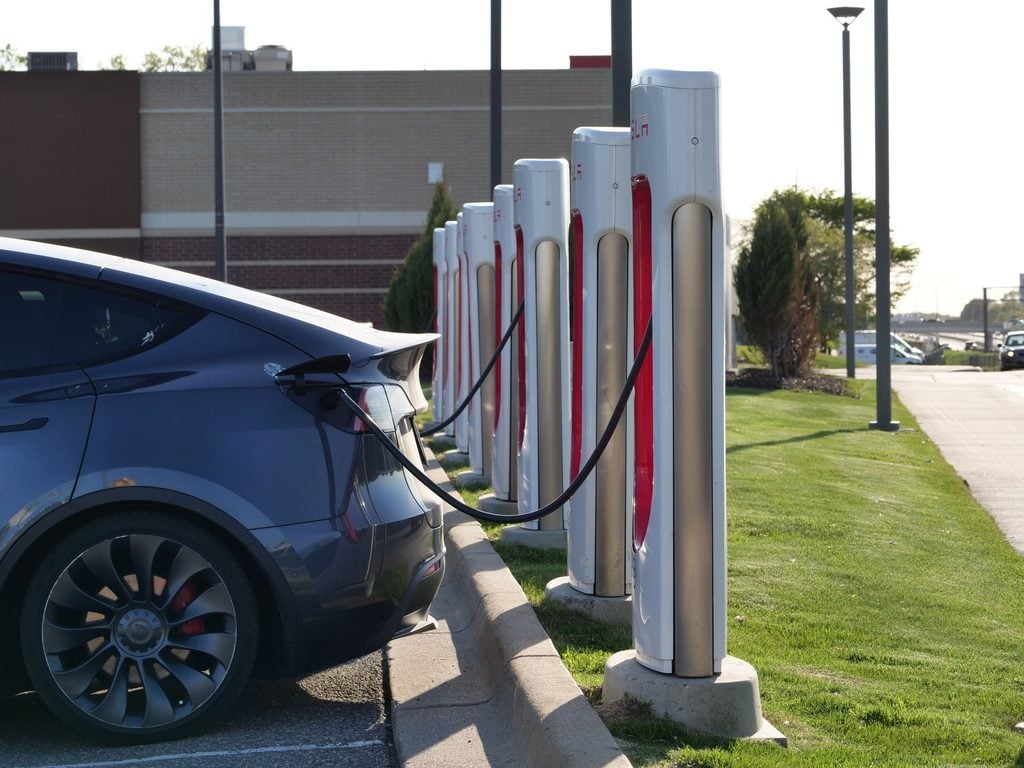
Electric vehicles change the calculation in important ways. They have no tailpipe emissions and can significantly reduce operational carbon emissions compared to petrol or diesel cars. But they tend to carry a larger manufacturing footprint, largely due to battery production.
A lifecycle analysis of lithium-ion batteries shows that making a standard EV battery releases between 150 and 200 kg of CO2 equivalent, with numbers greatly different based on battery chemistry and place of manufacture. A new mid-size EV could first have a manufacturing carbon load of nine to ten tonnes of CO₂ equivalent.
Whether an EV becomes environmentally advantageous over its lifetime depends on factors including mileage, the electricity used for charging, and the vehicles being compared. There’s no universal mileage at which an EV “becomes greener” as it varies too much by context.
Research has found that a new battery electric vehicle could surpass a new internal combustion vehicle in greenhouse gas performance after some driving distance, but it never outperforms a second-hand BEV within a typical lifespan, because the second-hand vehicle avoids the production emissions entirely.
This points to an increasingly realistic middle ground: buying a used EV. This combines some benefits of second-hand purchasing with lower-emission motoring, without requiring the production of another new vehicle specifically for that buyer.
When Does Buying New Make More Environmental Sense?

Second-hand purchasing isn’t universally superior. There are circumstances where replacing an existing vehicle makes more environmental sense. If the old car is particularly inefficient or polluting, if major repairs are repeatedly required, or if it’s approaching the end of its usable life, replacement may be justified.
The same applies if the replacement will be substantially more efficient and the owner drives enough for operational efficiency to become particularly important. That difference is important, as substituting a working car for one that really has reached the end of its useful life is quite different.
All in all, generally speaking, it makes more sense to purchase second-hand cars if the total CO₂ footprint is a major concern, as no new manufacturing emissions are created. Of course, that only holds if the car remains efficient enough to justify keeping it on the road.
The Most Sustainable Car May Be the One That Fits Your Needs
Sustainable cars aren’t simply about choosing new, used, petrol, hybrid, or electric. It’s about matching the vehicle to your actual circumstances. How much do you actually drive? What size of vehicle do you genuinely need? What’s the fuel or energy consumption? What’s the expected lifespan, and what maintenance will it require? Does the vehicle have a clean history? Could an existing car reasonably remain in service for years to come?
A smaller, efficient used car that stays roadworthy for many more years could be a far more responsible choice than replacing it unnecessarily with something brand new. At the same time, an inefficient vehicle driven very heavily may eventually justify replacement with something substantially cleaner.
The guiding principle, then, is to buy for longevity rather than novelty. The greenest car isn’t necessarily the one with the newest registration plate, as it’s the one that serves your needs without demanding more from the planet than necessary.
Other Things You Might Enjoy Reading


