

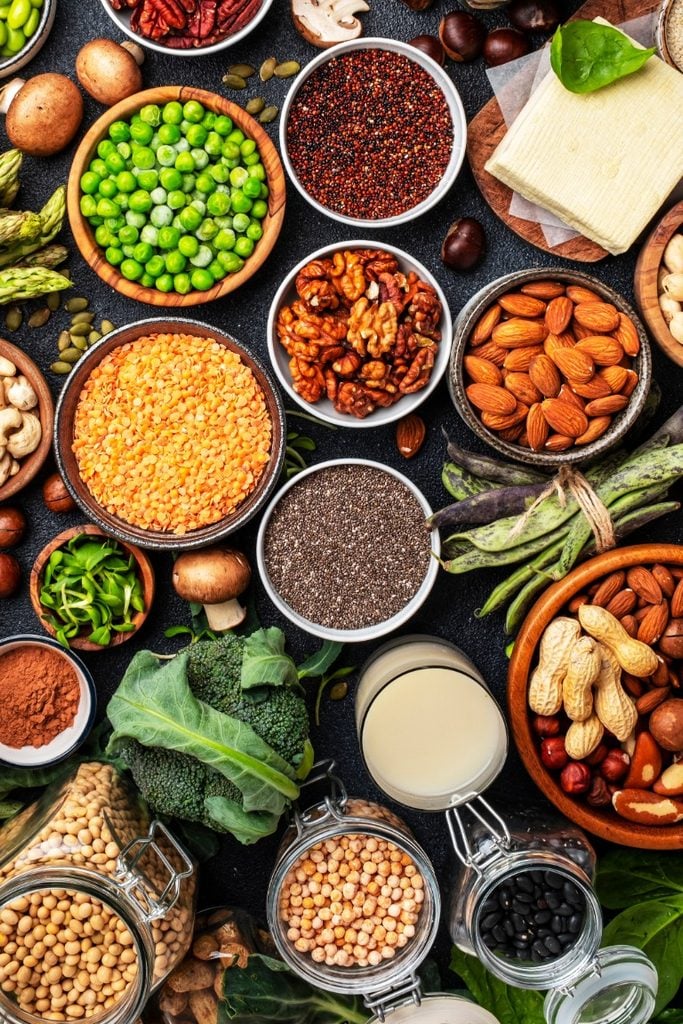
I struggle with the change of seasons, especially from summer to autumn. As the clocks get ready to go back, there’s a moment every October when I notice the daylight gets shorter and shorter and the temperature starts dropping. The evenings draw in more quickly, my outdoor morning swim gets pushed back an hour, and suddenly all I want is toast while cuddling up under a blanket. If that sounds familiar, you’re not alone, and this is exactly the time of year when what goes on your plate can make a quiet but real difference.
This guide is all about 30 plants a week: what it means, why it matters for your gut, and how to hit it easily with the best of the British autumn harvest. I’ve also got two recipes from nutritionist and gut health specialist Lucy Williamson, taken from her new book Soil to Gut: How to Regenerate your Health with Food – Vegetable Fritters with Labneh, and a simple recipe for Homemade Fermented Vegetables to make on repeat this winter.

What Does “30 plants a week” Mean?
Many health experts support “30 plants a week” recommendation. The idea comes from the American Gut Project, one of the largest citizen science studies of the gut microbiome. Researchers found that people who ate more than 30 different plant types a week had more diverse gut microbiomes than those who ate 10 or fewer.
Why does diversity matter? Your gut is home to around 100 trillion microbes, mostly in the large intestine. Different microbes thrive on different types of fibre and plant compounds (prebiotics), so the wider the variety you eat, the wider the range of microbes you feed. It’s not about eating more food; it’s about eating a greater variety of it.
“When well nourished, these microbes help regulate inflammation, support our immune system, contribute to heart health and healthy weight, and may reduce the risk of several chronic diseases such as type 2 diabetes and some cancers. Our gut microbes also produce compounds that through the remarkable gut–brain axis, influence pathways involved in mood and brain function, affecting mood, stress resilience and mental wellbeing.” – Lucy Williamson
What counts as a plant?
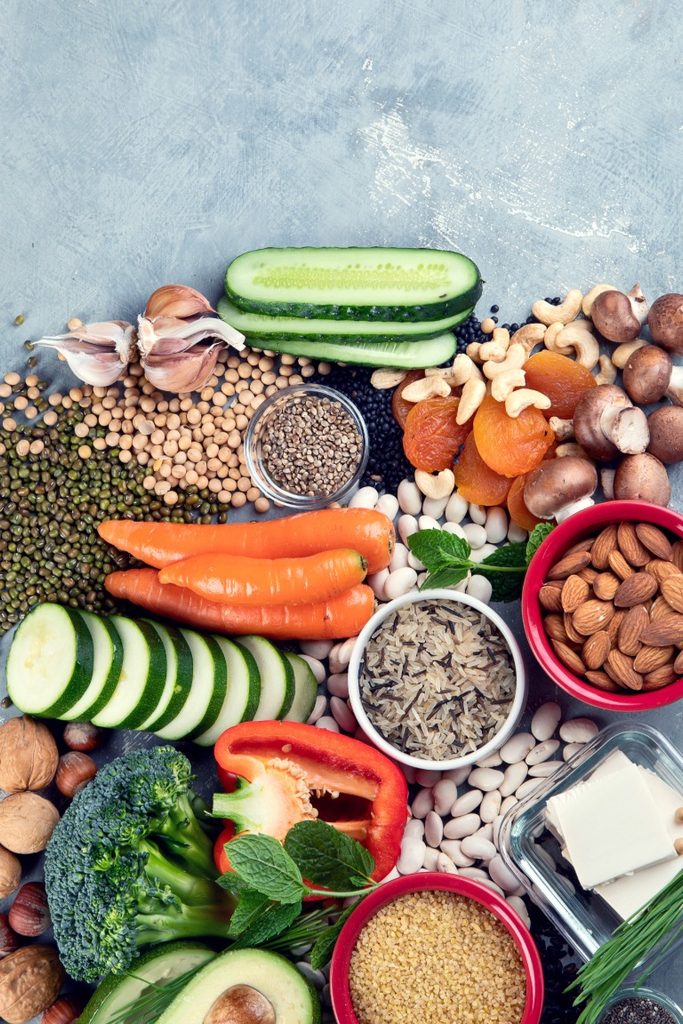
More than you might think. As Lucy Williamson puts it, “fruit, vegetables, grains, beans, pulses, herbs, spices, nuts and seeds all count”. The key is variety rather than quantity. Each different plant counts once a week, however many times you eat it, so three apples is one plant, while an apple, a pear and a handful of blackberries is three.
- Fruit and vegetables: fresh, frozen, tinned and dried all count.
- Wholegrains: oats, barley, spelt, rye, brown rice, quinoa, buckwheat.
- Beans and pulses: chickpeas, lentils, butter beans, split peas, British fava beans.
- Nuts and seeds: walnuts, hazelnuts, pumpkin seeds, linseed.
- Herbs and spices: some nutritionists count these as a quarter point each because we eat them in small amounts, but they all add to the tally.
- Don’t forget: coffee, tea, dark chocolate and extra virgin olive oil are all plant foods too. Refined foods such as white flour and white rice don’t count.
Shorter Days, Low Mood and SAD
As the clocks change, many of us feel lower, more tired and hungrier for sugary comfort food. For some people it goes further. Seasonal affective disorder (SAD) is a type of depression that comes and goes with the seasons and, according to Nuffield Health and the Royal College of Psychiatrists, the number of people affected in the UK at around 2 million.
So where does food fit in? Lucy Williamson is careful here, and I think it’s important to be too:
“While supporting our gut health isn’t a treatment for SAD, nurturing a healthy gut microbiome is one valuable part of a broader approach to building resilience through the darker months.” – Lucy Williamson
Our gut microbes produce compounds that, through the gut–brain axis, influence pathways linked to mood, stress resilience and mental wellbeing. Research in this area is still developing, but eating a varied, plant-rich diet is good for us in so many other ways that it’s an easy habit to get behind.
If you think you might have SAD, or your mood is affecting your daily life, please talk to your GP. The NHS guide to seasonal affective disorder explains the symptoms and treatments, and you can refer yourself to NHS talking therapies. Getting outside in daylight, moving your body and staying connected with people all help too.

Lucy Williamson’s Three Ways to Nurture Your Gut
In her book Soil to Gut, Lucy Williamson keeps it refreshingly simple:
- Include fermented foods little and often. A spoonful of sauerkraut or kimchi with lunch or live yoghurt at breakfast is plenty.
- Aim for around 30 different plant foods each week. Remember that everything from herbs to pulses counts.
- Eat seasonally where possible, and don’t overlook frozen produce. Frozen fruit and vegetables keep their nutritional value, which makes nourishing food affordable all year round.
It’s very much the flexitarian approach: no rules, no guilt, just more plants and more variety. For more everyday ideas, have a look at my 7 tips to support your gut health.
Your Autumn 30-plant Checklist
Autumn is one of the easiest times of year to eat a rainbow. Here’s what’s in season in the UK from September to November, alongside store-cupboard staples. Pick 30, tick them off, and you’re there. You’ll find plenty of ways to use them in my autumn recipes and seasonal food guide.
| Type of Plants | Autumn and Store-cupboard Ideas |
|---|---|
| Vegetables | Squash, pumpkin, carrots, parsnips, beetroot, celeriac, swede, leeks, onions, kale, cavolo nero, white, red and savoy cabbage, Brussels sprouts, cauliflower, chard, mushrooms |
| Fruit | Apples, pears, blackberries, plums, damsons, elderberries, quince, plus frozen berries |
| Wholegrains | Oats, pearl barley, spelt, rye, quinoa, buckwheat, brown rice |
| Beans and pulses | Chickpeas, lentils, split peas, British fava beans, butter beans, borlotti beans |
| Nuts and seeds | Hazelnuts, almonds, walnuts, cashews, chestnuts, pumpkin seeds, sunflower seeds, linseed, chia seeds, hemp seeds |
| Herbs | Parsley, rosemary, thyme, sage, basil, coriander |
| Spices | Cumin, nutmeg, cinnamon, ginger, turmeric, chilli, black pepper |
How To Hit 30 Without Trying
- Swap single for mixed: use a bag of mixed seeds instead of just sunflower seeds, or mixed frozen berries instead of just blueberries.
- Upgrade your grains: cook half pearl barley and half spelt in place of risotto rice.
- Add a handful of pulses: a tin of chickpeas or lentils stirred into soups and stews adds a plant and some protein. My red lentil, carrot and coconut soup is an easy start.
- Finish with herbs: a big bunch of parsley, like the one in the fritters below, adds a plant and a lot of flavour.
- Batch cook: warming winter soups are the easiest way to pack five or six plants into one bowl.
- Shop smart: frozen veg, tinned pulses and dried herbs and spices keep costs down. Here are 5 easy ways to save money on healthy eating.
Fermented Foods: Little and Often
Fermented foods such as sauerkraut, kimchi, kefir, live yoghurt, miso and tempeh contain live microbes and the compounds they produce. You don’t need much. Lucy Williamson’s advice is little and often, so think a forkful of ferment on the side of your plate rather than a bowlful. If you’re new to them, start small and build up.
Making your own is cheaper than buying and very satisfying. Lucy Williamson’s homemade ferment below is a great first project, and when you’re hooked there are 7 more fermented foods to make at home. For ways to eat them, try my kimchi fried rice with smoked tofu or this fermented foods hummus.
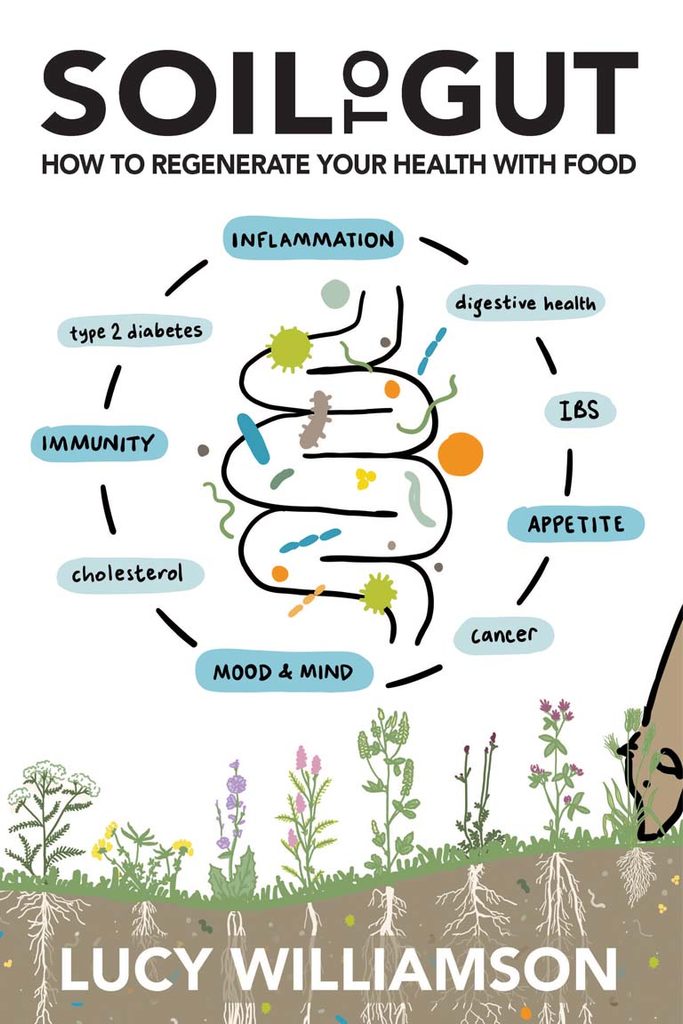
About Soil to Gut
Lucy Williamson is a registered public health nutritionist and gut health specialist. Her book, Soil to Gut: How to Regenerate Your Health with Food (5m Books, hardback, £24.99), makes the case that the health of our soil, our food and our gut microbiome are inseparable. It’s packed with evidence-based advice and seasonal recipes, and it champions buying from regenerative and organic producers where you can.
It fits so neatly with what I wrote about in Less Meat, More Plants: eat more plants, eat with the seasons, and know where your food comes from. You can find out more about Lucy Williamson’s work at lwnutrition.co.uk.
Vegetable Fritters with Labneh

Recipe from Soil to Gut: How to Regenerate Your Health with Food by Lucy Williamson (5m Books, £24.99). Reproduced with permission. Photo credit: Georgina Valentine.
The perfect lunch: golden, crispy fritters made with British yellow pea flour from Hodmedod’s, served with thick, tangy labneh. Labneh is simply strained yoghurt, popular across the Middle East, and it’s ridiculously easy to make at home. Just start it the night before.
Plant count: 7 (carrot, onion, garlic, cumin, lemon, parsley, yellow peas). Serve with a side salad to push it higher. If you love these, try my sweet potato and black bean fritters too.
Homemade Fermented Vegetables
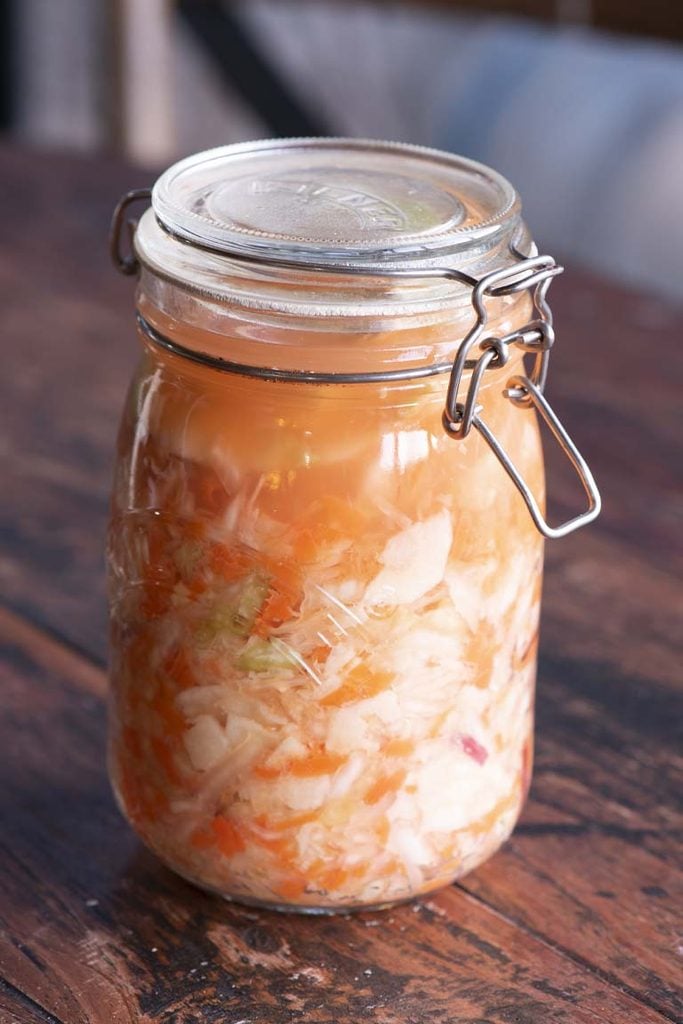
If you’ve never fermented anything before, start here. You just need cabbage, carrots, an apple, a little ginger and salt, and time does the rest. It’s bright, crunchy and tangy, and a spoonful livens up everything from a grain bowl to a sandwich.
Plant count: 4 (cabbage, carrot, apple, ginger).
Recipe from Soil to Gut: How to Regenerate Your Health with Food by Lucy Williamson (5m Books, £24.99). Reproduced with permission. Photo credit: Georgina Valentine.
Frequently Asked Questions
Fruit, vegetables, wholegrains, beans, pulses, nuts, seeds, herbs and spices all count, whether fresh, frozen, tinned or dried. Each different plant counts once per week.
Yes. Because we eat them in small amounts, some nutritionists count herbs and spices as a quarter point each, but they still add variety and flavour.
Food isn’t a treatment for SAD. A varied, plant-rich diet that supports your gut microbiome can be one part of a broader approach to looking after yourself in the darker months, alongside daylight, exercise and social contact. If you think you have SAD, speak to your GP.
Little and often is the best approach: a spoonful of sauerkraut or kimchi, or a small pot of live yoghurt or kefir, most days. If you’re new to fermented foods, start with small amounts.
Frozen fruit and vegetables are frozen soon after harvest and keep their nutritional value, so they are a great, affordable way to add variety all year round.
Other Things You Might Like



Leave a Reply