

What Is the World Food Day 2026 Theme?
World Food Day 2026 falls on Friday 16 October, and this year’s theme is Innovate Today, Nourish Tomorrow. The date is the anniversary of the founding of the UN’s Food and Agriculture Organization (FAO) in 1945. It’s a moment to pause and reflect and to ask: how do we make sure we produce enough diverse and nutritious food for everyone through food systems that are fair, sustainable, while protecting the planet for generations to come?
The world already produces enough food to nourish everyone, yet 645 million people still face hunger, and 2.69 billion cannot afford a healthy diet. FAO.org
World Food Day’s theme this year is Innovate today. Nourish tomorrow. The FAO defines innovation broadly. It includes science and technology, but also policy, entrepreneurship, education, culture and traditional knowledge. In other words, new ideas and old wisdom both have a place at the table.
So let’s look at what nature already gets right, how the way we eat can make a real difference, and the part innovation can play in keeping both people and the planet healthy.
Nature Already Has Many Answers
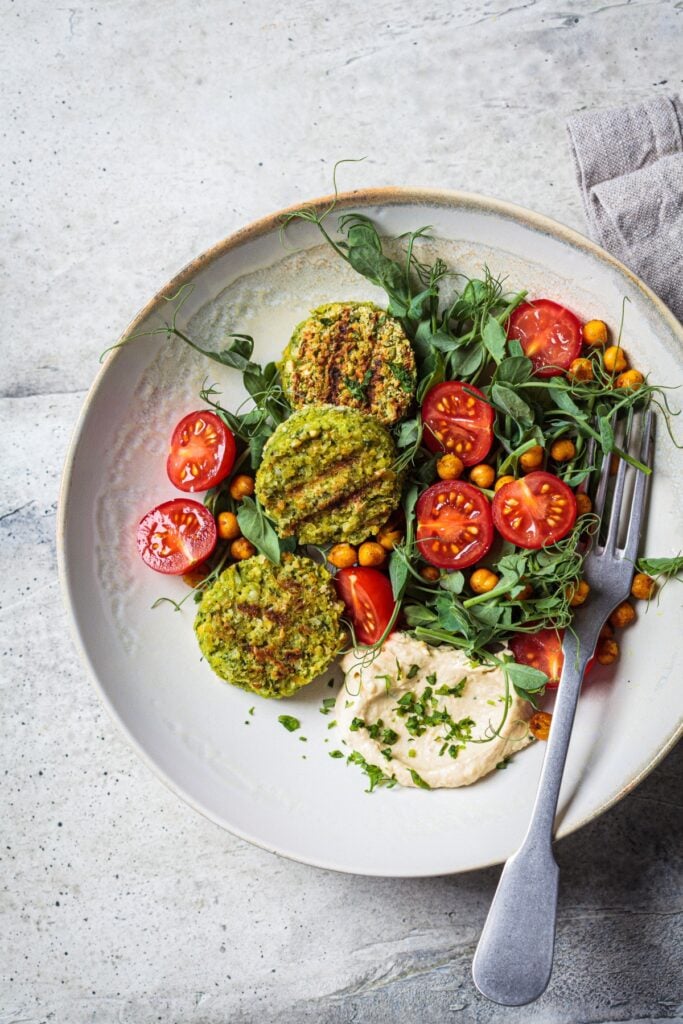
Long before food labs existed, nature was already perfecting ingredients. Over millions of years, evolution has produced an astonishing range of nutrient-dense plant foods. Leafy greens bring iron and antioxidants. Beans, lentils and peas pack protein and fibre into one cheap, low-carbon package. Wholegrains, nuts and seeds do the same.
Yet our plates tell a much narrower story. According to the WWF, “Globally we rely on a small range of foods. This negatively impacts our health and the health of the planet. Seventy-five percent of the global food supply comes from only 12 plant and five animal species. Just three (rice, maize, wheat) make up nearly 60 percent of calories from plants in the entire human diet.”
Whether it’s 5-a-day or 30 plants a week, the nutritional guidelines are everywhere around us. What makes plants so good for us is that they bring us most of the nutrients we need. They come with fibre, vitamins, minerals and phytonutrients built in, with no need for intensive industrial processing. Sustainably growing a wider variety of plants also helps protect biodiversity and soil health. When we talk about food innovation, it is worth remembering that some of the best ideas are already growing in the ground.
Plant-Rich Diets: A Win for Health and Climate
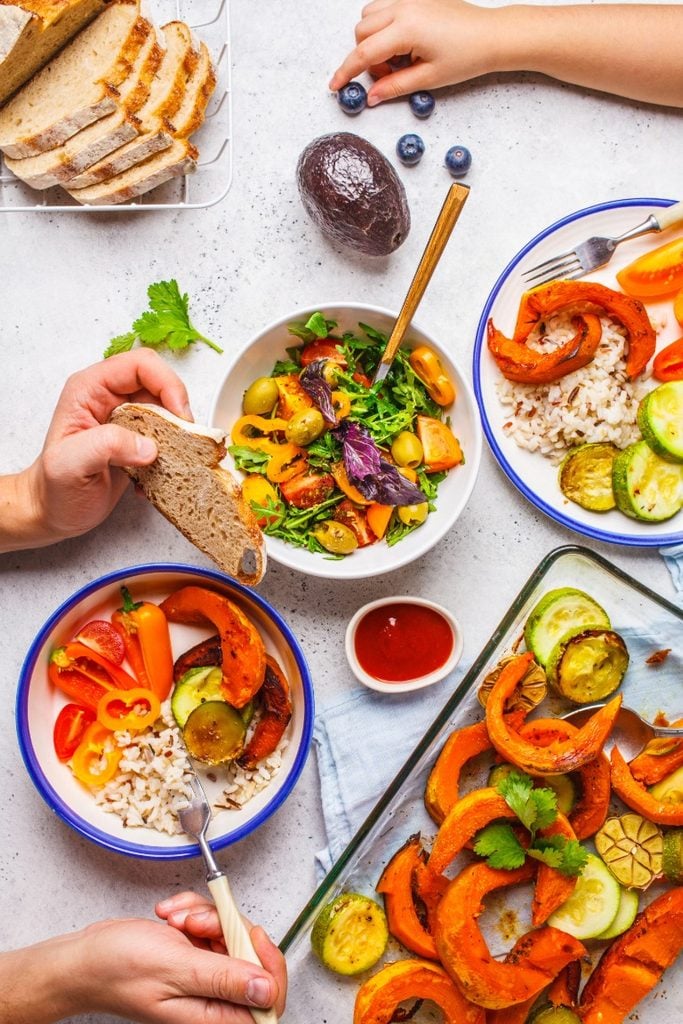
There is no silver bullet fix to solving the world’s food and health crisis, but eating more plants comes close to a double win: it’s good for us and good for the planet.
For our health, diets built around whole plant foods are strongly protective against chronic disease. According to Plant-Based Health Professionals UK (PBHP UK), they can lower the risk of coronary heart disease by around 25%, type 2 diabetes by at least 50% and cancer by around 15%. They also support healthy blood pressure and cholesterol. Diet-related conditions place a huge strain on the NHS, so every meal that tips the balance towards plants is a small step towards a less stretched health service.
Dr Shireen Kassam is the Founder of PBHP UK, Consultant Haematologist and Honorary Senior Lecturer at King’s College Hospital, London with a specialist interest in the treatment of lymphoma. She describes the shift towards whole-food, plant-based eating as one of the most impactful choices we can make for personal and public health.
Unhealthy diets are the UK’s leading cause of death and disability, driving a rising burden of chronic illnesses like obesity, heart disease, diabetes, and cancer that consume most of our clinical time.
A diet rich in fruit, vegetables, whole grains, beans, nuts, and seeds can prevent these conditions—and prevention beats cure. Research shows that if the UK ate meat-free weekday lunches, improved health would save the NHS £2.2B annually. Dr Shireen Kassam
For the planet, animal agriculture is a leading driver of greenhouse gas emissions, deforestation and freshwater use. Shifting towards plants is an easy and efficient way to shrink our food footprint.
A study in The Lancet, highlighted by PBHP UK for World Food Day, shows both of these wins in one place. A hospital replaced its standard menu with low-emission, plant-rich dishes. Greenhouse gas emissions fell by 39% and land use by 51%, food waste dropped, and 84% of patients were satisfied with their meals.
Beyond individual longevity and NHS budget relief, the EAT-Lancet Commission, concluded that shifting toward plant-rich eating is vital for planetary health, lowering carbon footprints and protecting environmental resources. So a plant-rich diet really is a win for the people, planet and public purse strings. Dr Shireen Kassam
Diet vs Tech: Can Food Innovation Help?
From methane-reducing feed additives to carbon capture, huge sums are being poured into high-tech fixes for reducing food emissions. Yet the data show that changing what we eat cuts emissions much more, and much faster. The National Food Strategy highlights that methane-reduction technologies would cut farming emissions by only around 10%; and recommends that we should eat at least 30% less meat to have a meaningful impact on the climate. Note that it says less, not none. And with three meals a day, that leaves plenty of flexibility.
That doesn’t mean innovation has no place. Tech that lets us keep eating the same way won’t save us, but innovation that makes it easier to eat better just might. Not everyone can cook from scratch every night and there is a need for plant-based food that is quick, healthy, tasty, affordable and easy to store.
That is where food science comes in. Think of ready-to-eat pulses and grains, high-fibre staples, better-tasting plant proteins, and products with less salt and sugar. Innovation can also turn the parts of crops we currently waste into new foods.
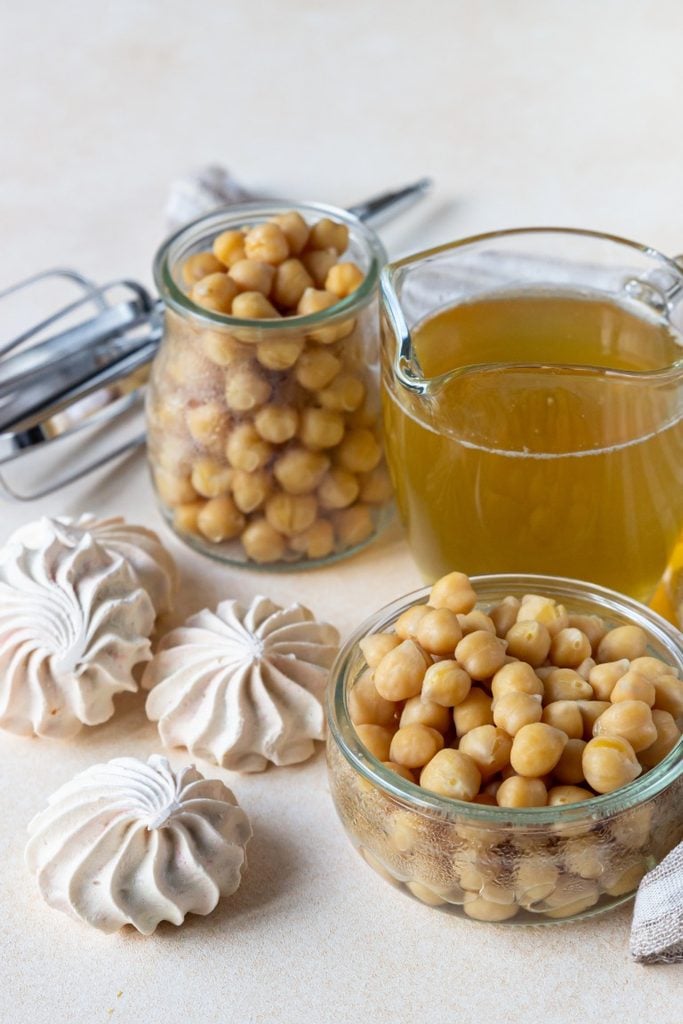
My daughter hopes to study food science, and on our recent university visits I saw some innovative student projects developed around plant-based foods. Two caught my attention: Favafu, a soy-free tofu made from British-grown fava beans, and Favé, a sweet treat that turns leftover hazelnut milk pulp into macarons. Some of these teams regularly enter Ecotrophelia UK, the student food innovation competition run by the Institute of Food Science and Technology (IFST) and Campden BRI. Reading University also highlighted their Raising the Pulse project, designed to increase UK pulse consumption for health and sustainability.
This gives me real hope that the next generation sees nature and innovation as partners, which is exactly what this year’s World Food Day theme is about.
The Flexitarian Diet: Progress, Not Perfection
The evidence for eating more plants is strong, yet most people in the UK still eat meat. Many of us are short on time and rely on convenience food at least some of the week. Telling people to overhaul their diet overnight rarely works. It’s really daunting and they give up before they start.
That is why I believe in a flexitarian diet, plant-forward approach. It accepts that some people will still want to eat some meat, whether that’s for health or convenience or due to cultural norms. Instead of asking for perfection, it asks for progress: more plants on the plate, more often. The hospital menu study above shows how well this works. Serve plant-rich food that people enjoy, and they come along with you.
The numbers add up, too. Millions of people cutting back on meat can do far more for health and emissions than a small number going fully vegan. Each step also makes the next one easier. A family that enjoys a lentil bolognese on Monday is more likely to try a bean chilli on Thursday.

3 Things To Mark World Food Day 2026
Nature has already given us many of the answers. Plant-rich eating is good for our health and for the planet, and it beats many high-tech fixes for both speed and scale. Where innovation can play a role is by making that choice easy, affordable and enjoyable for everyone so we can celebrate every step in the right direction.
This World Food Day, why not try one of these?
- Go plant-forward twice a week. Swap the meat in a favourite dish for beans, lentils or tofu.
- Flex the recipe, not the family. Cook one plant-based base and let meat eaters add a little extra on the side. Check the Less Meat Chapter of my cookbook Less Meat, More Plants for inspiration.
- Keep plant convenience at hand. Tinned pulses, ready-cooked grains, frozen meat analogues, pre-marinated tofu and good plant-based products make the healthy choice the quick and easy one.
World Food Day 2026 FAQs
World Food Day 2026 is on Friday 16 October. It’s held every year on the anniversary of the founding of the UN’s Food and Agriculture Organization (FAO) in 1945.
The theme is Innovate Today, Nourish Tomorrow. It covers innovation in its broadest sense, from science and technology to policy, education, culture and traditional knowledge, to build healthier and more sustainable food systems.
Cook a plant-forward meal, try a new bean, grain or vegetable, cut your food waste or support local growers. Then share what you made using #WorldFoodDay.
A flexitarian diet is a mostly plant-based way of eating that still includes some meat or fish. It’s about eating more plants and less meat, without strict rules.
Other Things You Might Like
- How Changing the Way We Eat Can Help Preserve UK Wildlife
- Vegetarian, Vegan, Pescatarian and Flexitarian Diets: What’s the Difference?
- Easy Storecupboard Ingredient Swaps
- 18 Classic Dishes Gone Meat-Free
- Minor Figures and Wildfarmed Launch the UK’s First Regenerative Barista Oat



Leave a Reply