

We have all learnt to ask questions about chocolate and coffee: who grew it, whether they were paid fairly, what it costs the environment. Vanilla rarely gets the same scrutiny, even though it’s in nearly every cake, custard and scoop of ice cream we eat. Did you know that most of vanilla is hand-pollinated, and that farmers have to deal with wild price swings, crop theft and child labour? At a birthday tea party last week in London, I got a closer look at a French family business that has spent 80 years working with vanilla.
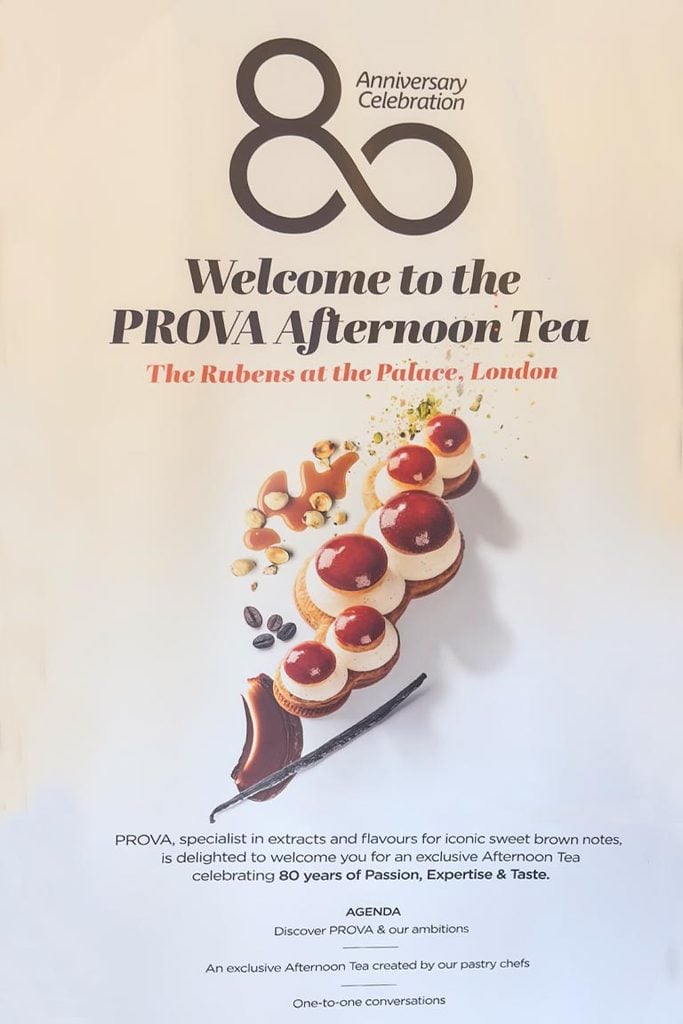
An 80th Birthday Tea Party at The Rubens
Last week, I joined French flavour house Prova at The Rubens at the Palace in London for a very special afternoon tea celebrating the company’s 80th birthday. Prova specialises in what it calls “brown flavours”: vanilla, cocoa, coffee, caramel and nuts.
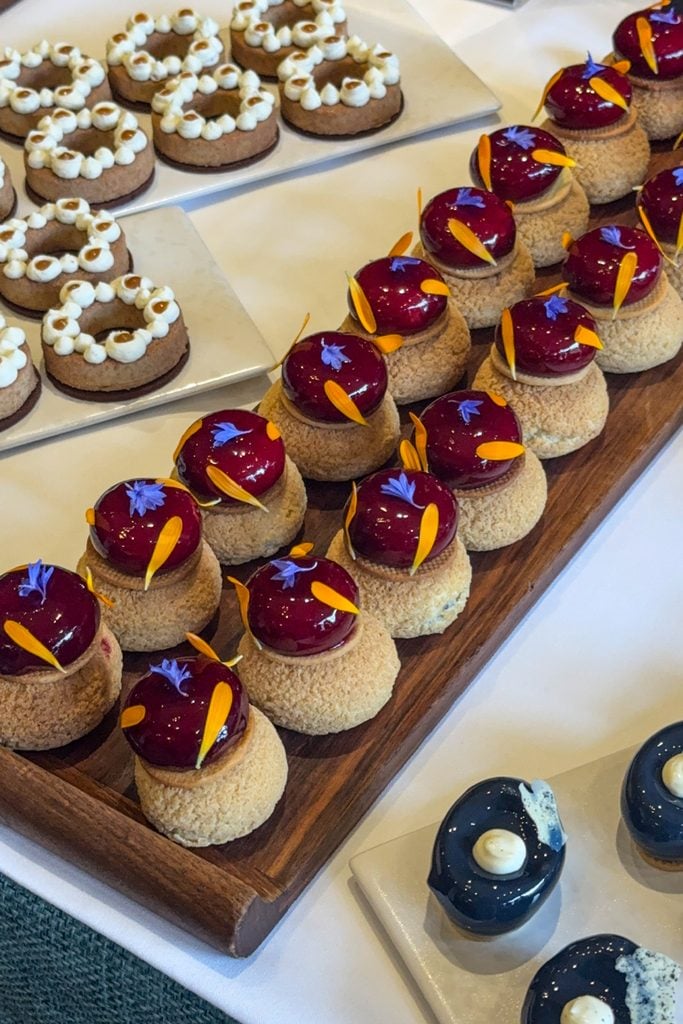
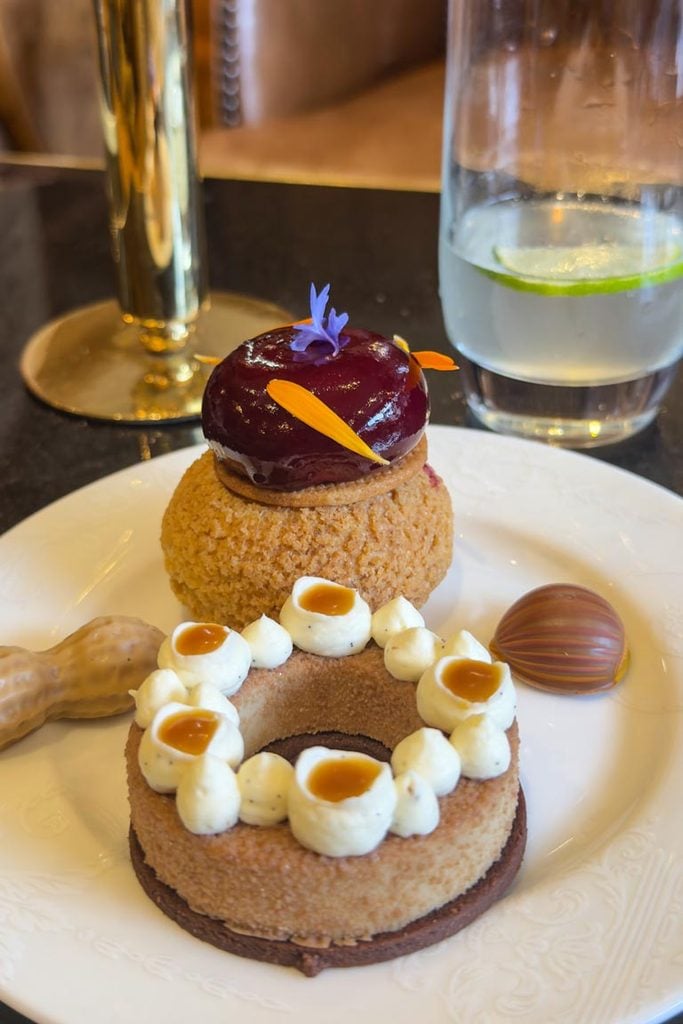
The menu designed by three French pastry chefs (Tristan Rousselot, Christophe Vicente and Benjamin Bourgeois). Between them, they turned classics like Religieuse, Tiramisu, Scone into innovative and delicious creations to showcase the full range of Prova’s brown flavours, from vanilla to cocoa, coffee, caramel and nuts. A true masterclass of savoir-faire that even included savoury creation, like Barigoule with Artichokes and Mushrooms or Shrimp with Vanilla Pearls.
A Menu That Was Almost Too Pretty To Eat
From Vanilla Sugar To A Global Flavour House
The story of Prova begins in France in 1946 when Marcel and Jacqueline Acat alongside a business partner developed their own way of extracting vanilla, at a time when most competitors simply bought extract directly from the market. Their first success was an intense vanilla sugar (a key ingredient in French baking recipes to this day), which professional bakers quickly adopted.
Eighty years on, Prova is still a family business, led today by the founders’ granddaughter, Muriel Acat. It has grown to be an international company with 470 employees, four manufacturing sites in France and Asia, and customers in more than 70 countries. Its activities are divided between Prova Industrie (making flavours for food manufacturers) and Prova Gourmet (supplying chefs, artisan producers and restaurants).
“Eighty years ago, my grandparents built this company on a simple belief: that understanding an ingredient properly, from the ground up, is what allows you to do something extraordinary with it. Heritage is not nostalgia, it is the foundation for what comes next.” – Muriel Acat, President of Prova
Vanilla: The Sustainability Story We Rarely Hear
Most of us have a bottle of vanilla extract in our kitchen cupboards. We use it in cakes, biscuits, custards and ice cream, and even sometimes in savoury dishes such as sauces, roasted vegetables or even soup. But few of us ever think where it comes from.
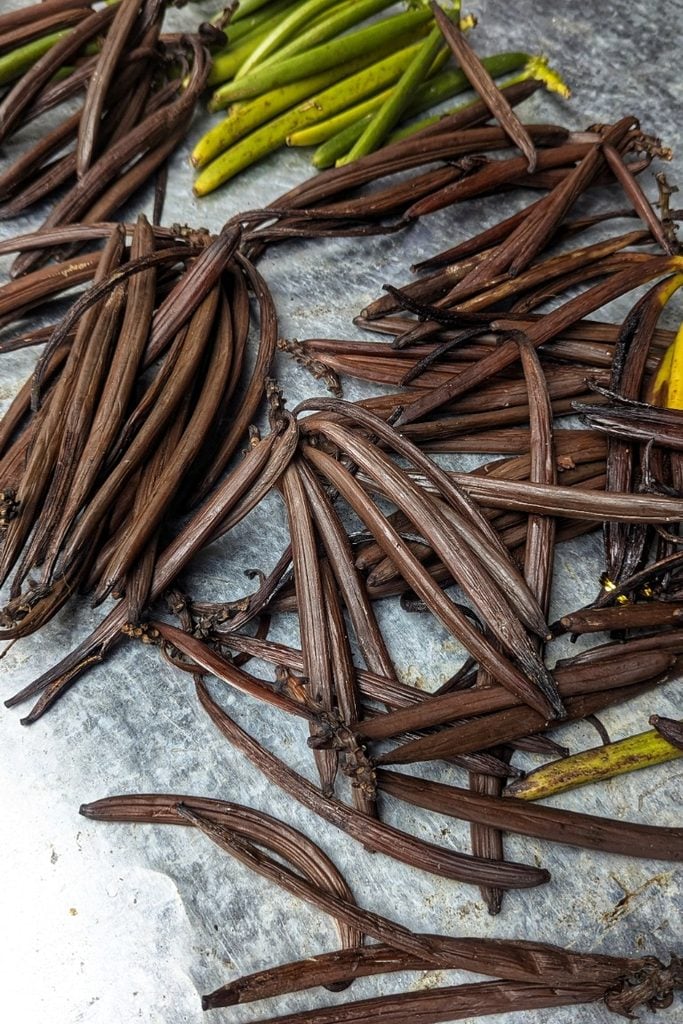
The vanilla bean is the seed pod of a climbing orchid. Not only is it one of the most labour-intensive crops in the world, it is also exposed to a multitude of social and environmental challenges.
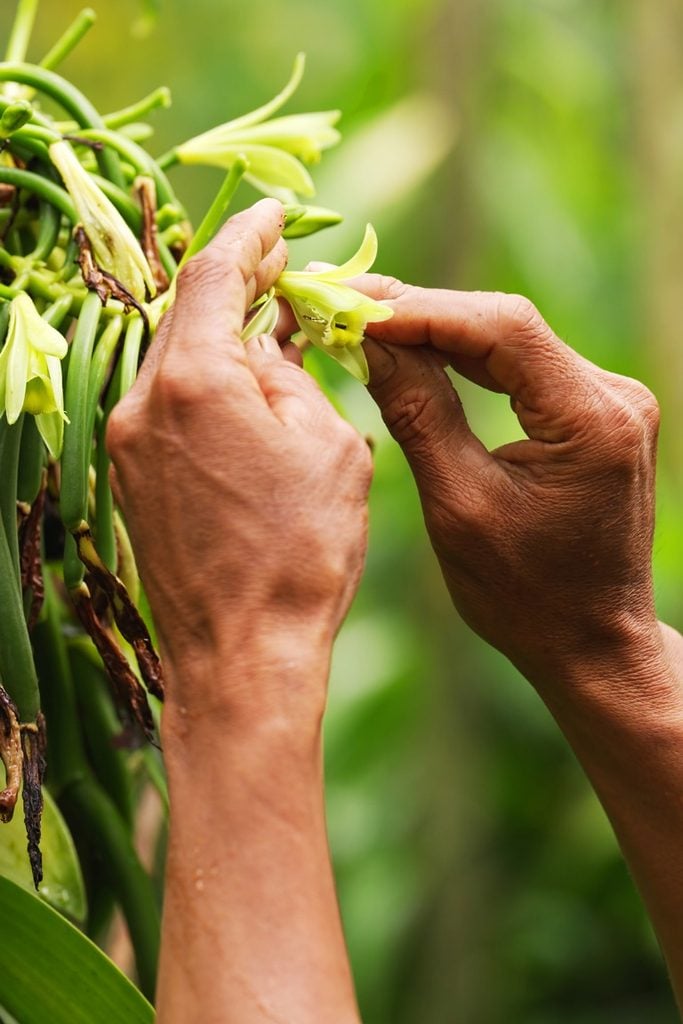
- Hand pollination: outside its native Mexico, the bee that pollinates it doesn’t exist, so every single flower has to be pollinated by hand. This is a very delicate operation as the vanilla flower must be pollinated within 12 hours of opening.
- Slow growth: a new vine takes three to four years before it flowers.
- Curing process: green vanilla bean lacks aroma and flavour so have to be cured for months. It takes around six kilograms of green pods to make one kilogram of finished vanilla.
- Low yield: If a farmer pollinates 600 vanilla flowers, this results in around 6-7 kg of green or 1 kg of black vanilla pods.
- Climate change: around 80% of the world’s natural vanilla is grown in Madagascar one of the countries most vulnerable to climate change.
- Prices swing wildly: vanilla is one of the most volatile agricultural commodities, with prices swinging dramatically based on weather, regulation, and global supply.
- Child labour: the International Labour Organisation estimates 20,000 children are working in the Madagascan vanilla trade (source: The Guardian)
- Theft: because vanilla pods are so valuable, theft is a real issue.
This is not to say that vanilla is to be avoided but it makes it worth asking the same questions that we ask about chocolate and coffee to ensure that the major actors in the industry play their part.
What Prova Is Doing About It
Prova is working towards sourcing 50% of its vanilla from sustainable sources by 2030. Since 2020, Prova has run a programme called Care&Act (“caring and acting for the Earth and for people”). It is built on four commitments, which the company calls its “four tastes”:
- A passion for products: sourcing raw materials from more responsible farming, with better traceability and more natural ingredients.
- Commitment to others: long-term relationships with farmers, suppliers and customers, and support for local communities.
- Commitment to its people: training, workplace equality and wellbeing.
- A taste for life: reducing its impact on the environment and protecting biodiversity.
In practice, this includes:
- Joining forces across the industry. Prova is a member of the Sustainable Vanilla Initiative (SVI), which brings companies together to improve farmers’ incomes, make supply chains more traceable and tackle child labour.
- Working on the ground in Madagascar. Prova supports farming communities with agricultural training, help to earn income from other crops, access to clean drinking water and support for children’s education.
- Shipping by wind. Prova backs Windcoop, a project developing wind-powered cargo ships to cut the carbon footprint of transporting raw materials such as vanilla.
What You Can Do At Home
- Choose real vanilla, and ask where it’s from. Look for brands that specify where their vanilla is grown and how they support farmers.
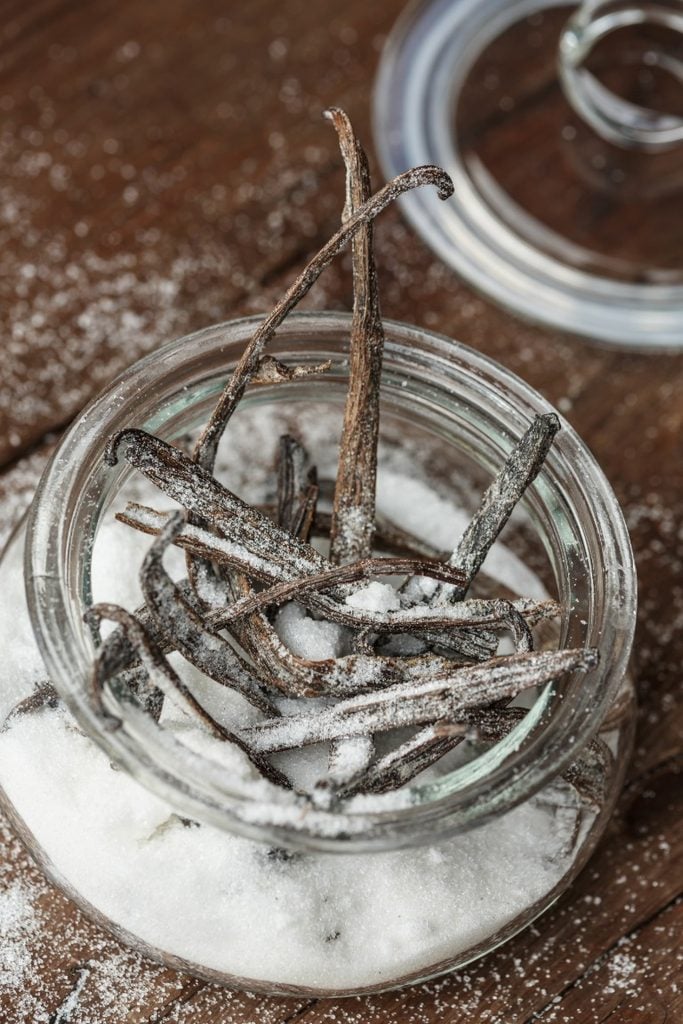
- Make every pod count. Don’t waste it. After scraping out the seeds, pop the empty pod into a jar of sugar to make your own vanilla sugar (just like Prova’s first product!).
- Treat it as the special ingredient it is.
Other Things You Might Like



Leave a Reply